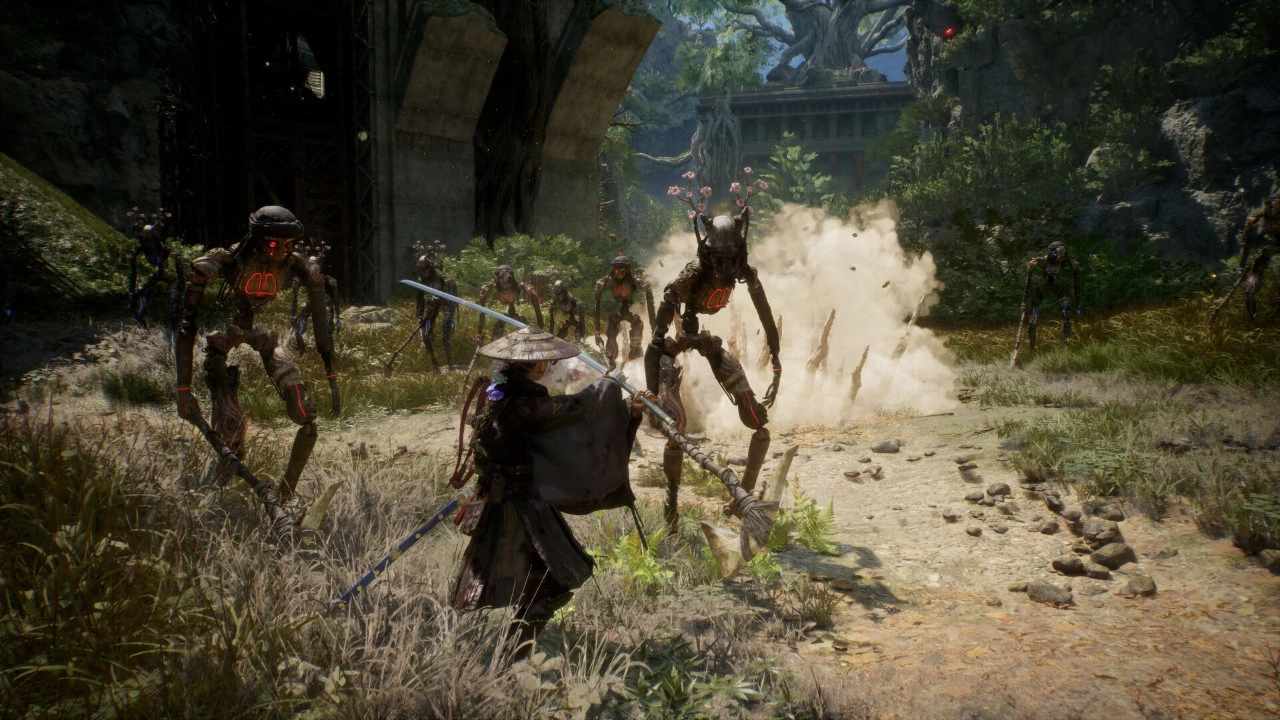
Game Freak, the legendary Japanese video game developer best known as the creator of the Pokémon franchise, has moved swiftly to address the overwhelmingly negative reception of their newest title, Beast of Reincarnation. Just one day after the game’s official release, the studio announced that a comprehensive patch would be deployed within the coming days, promising fixes not only for technical issues but also significant changes to the game’s storyline itself. This rapid response signals the severity of the situation and the company’s commitment to salvaging what has become one of their most controversial launches in recent memory.
The announcement marks an unusual move for the typically reserved Japanese developer, which has historically maintained a conservative approach to post-launch support. The fact that story changes are being implemented suggests that player complaints extend far beyond mere bugs and performance issues, touching the very core of the gaming experience. Industry observers note that altering narrative elements post-release is an extraordinarily rare step that indicates just how poorly the game has been received by fans and critics alike.
A Troubled Launch for a New IP
Beast of Reincarnation represented Game Freak’s ambitious attempt to establish a new intellectual property outside of their bread-and-butter Pokémon franchise. The game was marketed as a mature, story-driven adventure featuring creature collection mechanics reimagined for a darker, more complex narrative. Pre-release marketing generated significant buzz, with fans excited to see what the studio could accomplish when freed from the constraints of the family-friendly Pokémon brand. However, the reality of the finished product appears to have fallen dramatically short of these elevated expectations.
Reports from players who purchased the game at launch describe a litany of problems, including frame rate drops, graphical glitches, and collision detection errors. More damaging to the game’s reception, however, have been complaints about the narrative itself. Players have criticized the story as poorly paced, with major plot points described as confusing or unsatisfying. Character development has been called shallow, and the game’s ending has been particularly singled out for criticism, with many players expressing disappointment at what they perceive as a rushed and anticlimactic conclusion.
Game Freak’s History of Technical Struggles
This is not the first time Game Freak has faced criticism for technical shortcomings in their releases. The studio has been subject to ongoing scrutiny regarding the quality of their mainline Pokémon titles, particularly since the transition to Nintendo Switch hardware. Pokémon Sword and Shield drew criticism for their limited animations and graphical fidelity, while Pokémon Scarlet and Violet launched in 2022 with severe performance problems that many considered unacceptable for a first-party Nintendo release. These issues have led some industry analysts to question whether the studio has the technical expertise necessary to meet modern gaming standards.
The company employs roughly 170 people, making it relatively small compared to other major game developers handling comparable franchises. This limited workforce, combined with the demanding annual release schedule of the Pokémon franchise, has led to speculation that Game Freak may be stretching its resources too thin. Beast of Reincarnation was developed alongside ongoing Pokémon projects, which may have contributed to the quality issues now being addressed.
The Path Forward and Industry Implications
The gaming industry has seen numerous examples of problematic launches being addressed through extensive post-release support. Notable turnaround stories include No Man’s Sky, Final Fantasy XIV, and Cyberpunk 2077, all of which recovered from disastrous initial receptions to eventually earn critical and commercial success. However, these recoveries typically required months or years of dedicated development work, not quick patches deployed within days of release. The scope of changes Game Freak can realistically implement in such a short timeframe remains to be seen.
For Game Freak, the stakes extend beyond a single game’s success. The studio’s reputation has been increasingly questioned by the gaming community, and another high-profile failure could have lasting consequences for both their new intellectual properties and the flagship Pokémon brand. The Pokémon Company and Nintendo, who hold significant influence over Game Freak’s operations, will undoubtedly be monitoring the situation closely. How effectively the studio addresses player concerns in the coming weeks will likely shape public perception of the developer for years to come.
Expert Opinion: The decision to modify story elements post-launch represents an unprecedented admission of fundamental design failures, not just technical polish issues. This incident may force Game Freak to reevaluate their development pipeline and quality assurance processes, potentially leading to longer development cycles for future titles. The industry will be watching closely to see whether rapid iteration can truly salvage a troubled narrative experience, or whether this emergency response proves too little, too late.