
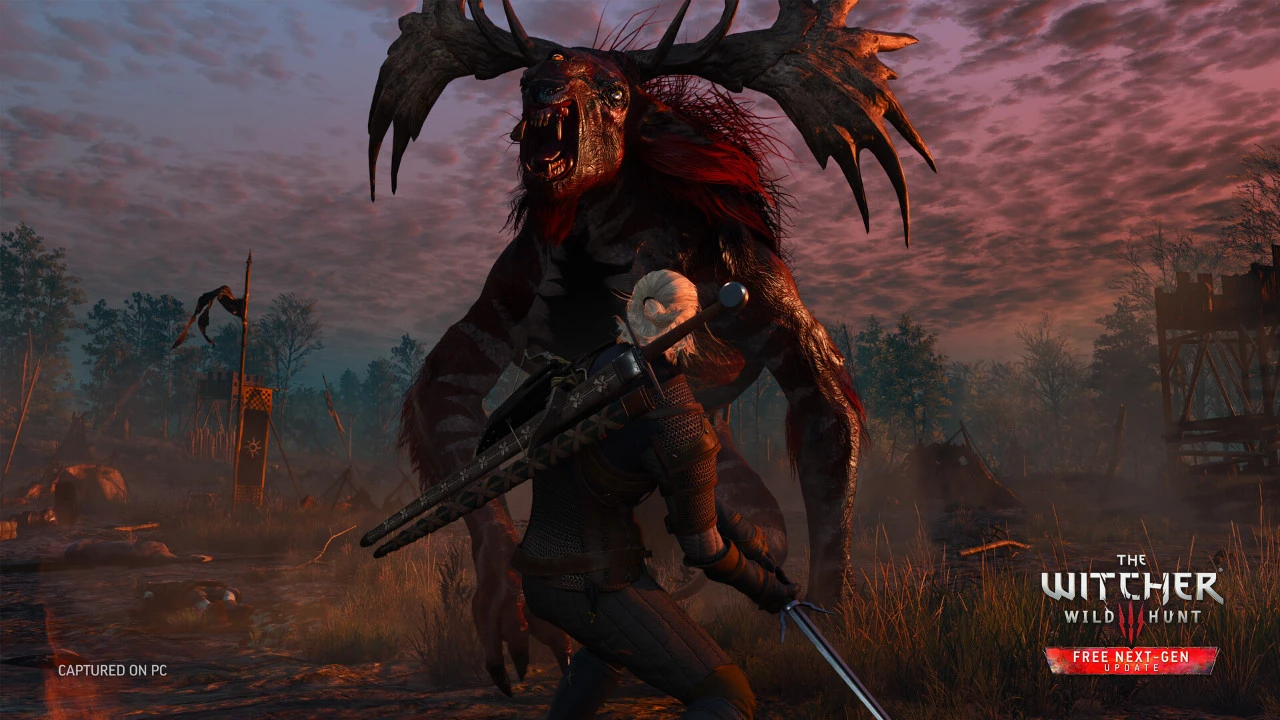
The development of the critically acclaimed role-playing game The Witcher 3: Wild Hunt nearly encountered a peculiar crisis during its early stages due to an overly literal simulation of non-player character behavior. CD Projekt Red, the Polish studio behind the game, had ambitious plans to create one of the most immersive open-world experiences in gaming history. However, their dedication to realism almost backfired in an unexpected and somewhat humorous way that could have derailed the entire project.
The development team wanted every villager, merchant, and townsperson in the game world to follow realistic daily routines. This meant NPCs would wake up at dawn, eat breakfast, go to work, take breaks, and eventually return home to sleep. While this level of detail sounds impressive on paper, the implementation created unforeseen complications that threatened to make the game nearly unplayable in certain situations.
The Ambitious Vision That Created Chaos
CD Projekt Red’s vision for The Witcher 3 was nothing short of revolutionary. The studio wanted players to feel like they were inhabiting a living, breathing world where every character had purpose and routine. This approach had been attempted before in games like The Elder Scrolls IV: Oblivion and its successor Skyrim, but CD Projekt Red wanted to take the concept even further. They implemented complex AI systems that tracked time of day, weather conditions, and even individual NPC needs like hunger and fatigue.
The problem emerged when developers realized that their realistic scheduling system meant that shops would close at night, quest-giving characters might be asleep when players needed them, and entire towns could become ghost towns after sunset. Players testing early builds found themselves waiting for hours in real-time for shops to open or for important characters to wake up. The frustration was palpable, and the team quickly recognized they had created an immersion system that paradoxically broke the gaming experience.
Finding the Balance Between Realism and Playability
The solution required the development team to step back and reconsider their priorities. While realistic NPC behavior was desirable, it couldn’t come at the expense of player enjoyment and game flow. The team implemented several compromises, including meditation mechanics that allowed players to fast-forward time, extended shop hours, and more flexible NPC schedules that would adjust based on player needs. Some quest-critical characters were made available around the clock to prevent progression blocks.
This challenge reflects a broader debate in game development about the tension between simulation depth and player convenience. Games like Red Dead Redemption 2 later faced similar criticism for prioritizing realistic animations and systems over responsive gameplay. The Witcher 3’s team learned early that players want the illusion of a living world without the inconveniences of actual life. The final release struck a careful balance, maintaining enough routine behavior to feel authentic while ensuring players never felt punished for playing at the “wrong” time.
Legacy and Lessons for Future Game Development
The Witcher 3: Wild Hunt eventually released in May 2015 to universal acclaim, selling over 50 million copies worldwide and winning numerous Game of the Year awards. The NPC scheduling crisis became just one of many development stories that illustrated the complexity of creating open-world games. CD Projekt Red’s willingness to identify and correct their overly ambitious simulation before launch likely saved the project from potential failure. The experience provided valuable lessons that the studio has carried forward into subsequent projects, including the troubled but eventually redeemed Cyberpunk 2077.
Today, the story serves as a cautionary tale and teaching moment for aspiring game developers everywhere. It demonstrates that technical ambition must always be tempered with consideration for the end-user experience. The most sophisticated systems mean nothing if they frustrate players rather than engaging them. The Witcher 3 remains a benchmark for open-world RPG design precisely because its developers knew when to prioritize fun over strict simulation accuracy.
Expert Opinion: The Witcher 3’s near-miss with hyperrealistic NPC scheduling highlights a fundamental truth in game design: immersion is psychological, not mechanical. Future open-world developers would be wise to remember that players seek the feeling of a living world, not its literal inconveniences. As games continue pushing technical boundaries, this balance between simulation and playability will remain the defining challenge of the genre.