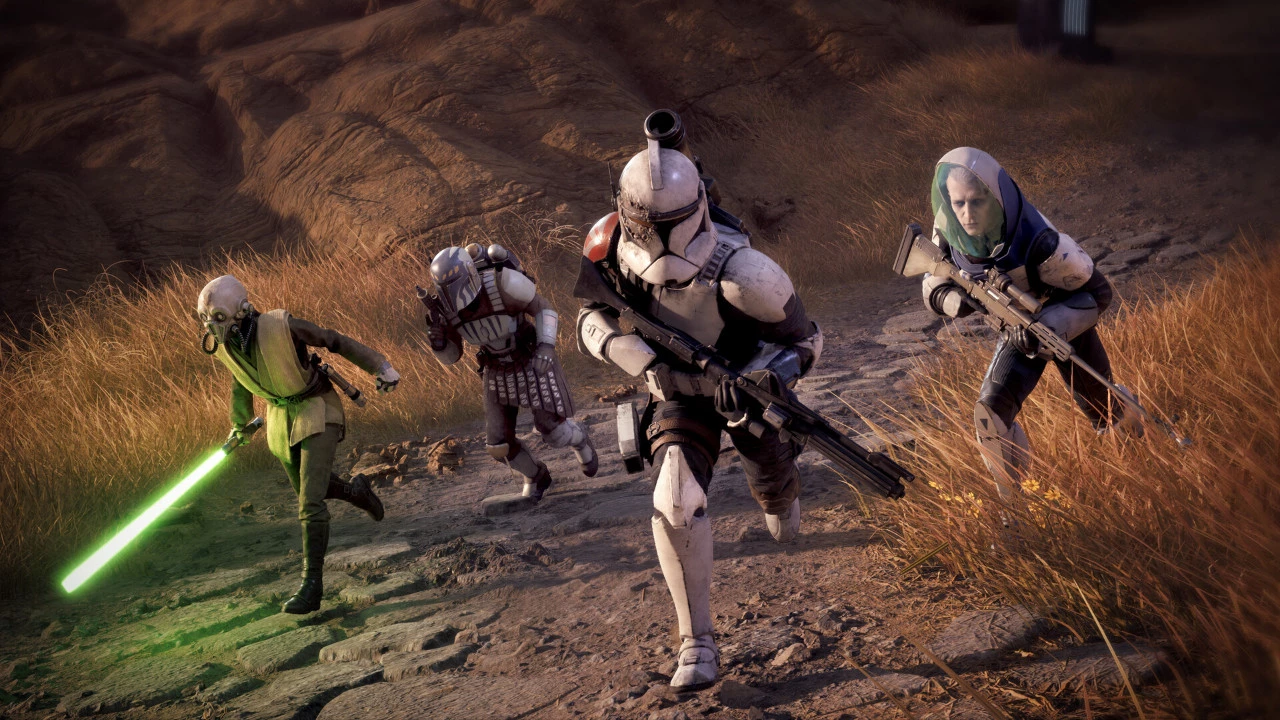
The highly anticipated tactical strategy game Star Wars Zero Company faced a turbulent launch as hackers released a cracked version of the game on the very same day it hit digital storefronts. The pirated version appeared on specialized forums on August 27th, giving potential buyers an unauthorized way to test the game before committing their money. This immediate crack raises serious questions about the game’s copy protection measures and comes at a particularly bad time as player reviews have been overwhelmingly negative.
The timing of this crack is particularly damaging for the publisher, as it coincides with a wave of negative feedback from legitimate purchasers. Many gamers have taken to review platforms to express their disappointment with various aspects of the game, from gameplay mechanics to technical issues. The combination of readily available pirated copies and poor word-of-mouth creates a perfect storm that could significantly impact sales during the crucial launch window when most games generate the bulk of their revenue.
The Growing Challenge of Day-One Piracy
Day-one cracks have become an increasingly common phenomenon in the gaming industry, despite publishers investing heavily in anti-piracy technologies like Denuvo and other digital rights management systems. Historically, these protection measures were designed to provide at least several weeks or months of protection during the initial sales period. However, cracking groups have become more sophisticated, often breaking through these defenses within hours of release. The Star Wars Zero Company crack follows a pattern seen with numerous high-profile releases in recent years, where even the most advanced protection fails to withstand determined hackers.
Industry analysts estimate that piracy costs the gaming industry billions of dollars annually, though the exact figures remain contested. Some researchers argue that many pirates would never have purchased the game regardless, while others point to studies suggesting that piracy can sometimes serve as a form of marketing, introducing players to franchises they might later support legitimately. Nevertheless, for a game already struggling with poor reception, readily available pirated copies represent an existential threat to its commercial viability.
Player Backlash and Critical Reception
Beyond the piracy concerns, Star Wars Zero Company faces mounting criticism from its player base. Reviews across major platforms paint a picture of a game that failed to meet expectations set by its marketing campaign and the beloved Star Wars franchise. Players have cited various issues including repetitive mission design, underwhelming artificial intelligence, technical bugs, and what many describe as predatory monetization practices. The tactical strategy genre has seen tremendous success with titles like XCOM and Gears Tactics, raising the bar that Star Wars Zero Company apparently failed to clear.
The Star Wars gaming franchise has experienced significant ups and downs over the past decade. Following the controversial launch of Star Wars Battlefront II in 2017, which faced massive backlash over its loot box mechanics, publishers have struggled to rebuild trust with the fanbase. While games like Star Wars Jedi: Fallen Order and its sequel Survivor restored some goodwill, each new release faces intense scrutiny from a community that has grown wary of exploitation of the beloved intellectual property. Zero Company’s troubled launch suggests that lessons from past failures may not have been fully absorbed.
Implications for Future Releases
The situation surrounding Star Wars Zero Company serves as a cautionary tale for publishers rushing products to market without adequate quality assurance or robust anti-piracy measures. In an era where player reviews spread instantly through social media and gaming forums, a poor launch can doom a title regardless of any post-release patches or improvements. The combination of immediate piracy availability and negative reception creates a scenario where potential buyers have both the means and motivation to try the game illegally rather than risk their money on what appears to be a subpar product. Whether the developers can salvage the situation through updates and community engagement remains to be seen, but the damage to first impressions may prove irreparable.
Expert Opinion: The simultaneous arrival of day-one piracy and overwhelmingly negative player sentiment represents the worst-case scenario for any game launch. Publishers must recognize that in today’s connected gaming ecosystem, there are no second chances for first impressions—and no DRM solution can protect a game that fails to deliver quality content. Zero Company’s troubled debut may force industry stakeholders to prioritize polished releases over rushed launch windows, as the financial consequences of failure have never been more immediate or severe.