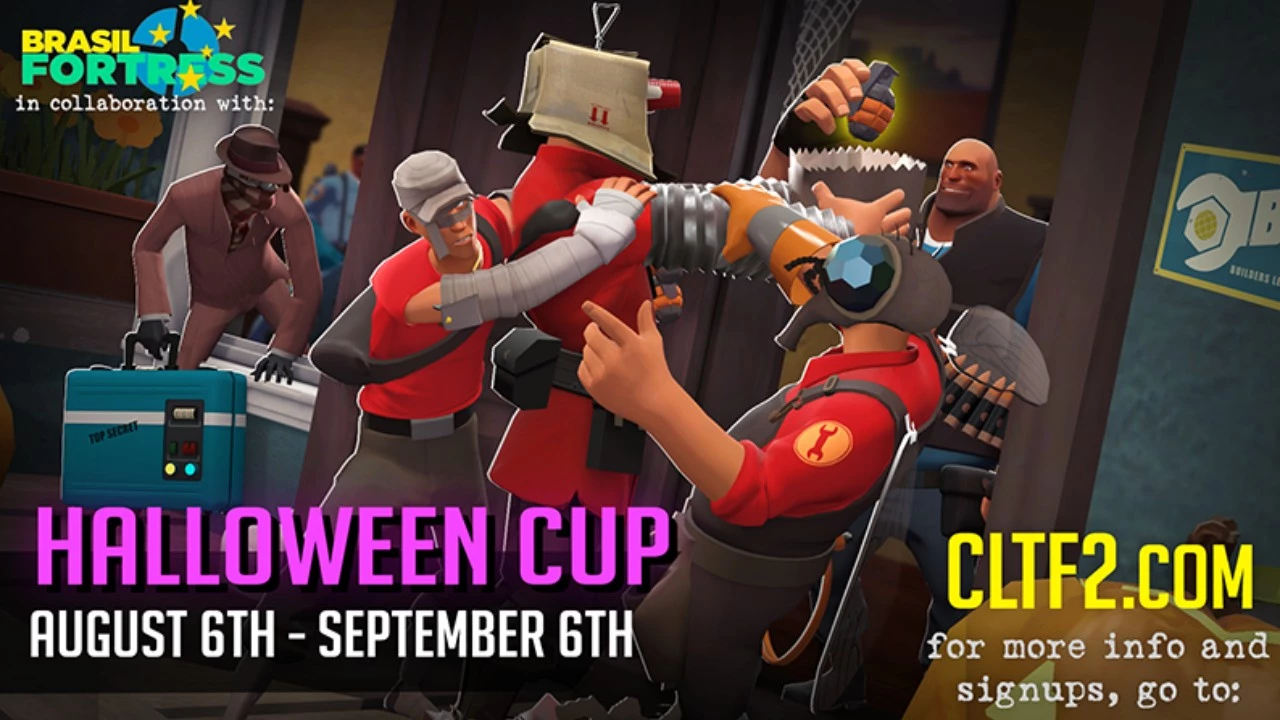
The passionate community surrounding Valve’s iconic team-based shooter continues to find creative ways to celebrate gaming traditions. The CLTF2 community has officially announced the launch of a special Halloween Cup tournament for Team Fortress 2 enthusiasts, promising an exciting competitive experience wrapped in spooky seasonal festivities. This upcoming event will feature the classic team-based combat that fans have loved for nearly two decades, but with a distinctive twist — all matches will take place exclusively on Halloween-themed maps that transform the familiar gameplay into something delightfully eerie.
What makes this tournament particularly noteworthy is its inclusive approach to competitive play. Unlike many esports events that cater primarily to professional or high-ranked players, the Halloween Cup welcomes participants of all skill levels. This democratized approach to competitive gaming reflects a growing trend in the gaming community, where organizers recognize the value of creating spaces where casual players can experience the thrill of tournament play without feeling overwhelmed by elite competition.
A Legacy of Seasonal Celebrations in Team Fortress 2
Team Fortress 2 has a rich history of Halloween celebrations dating back to 2009, when Valve introduced the first annual Scream Fortress event. Over the years, these seasonal updates have become beloved traditions, introducing unique game modes, haunted maps, cosmetic items, and supernatural boss encounters. Maps like Harvest Event, Eyeaduct, and Ghost Fort have become iconic within the community, featuring everything from floating eyeball monsters to the Headless Horseless Headmann — a terrifying horseman who hunts players across the battlefield. The decision to host a tournament on these specialized maps adds an extra layer of unpredictability and fun to the competitive experience.
The timing of this announcement comes as Team Fortress 2 experiences something of a renaissance. Despite being released in October 2007 — making it nearly 18 years old — the game consistently maintains a substantial player base on Steam, often ranking among the platform’s most-played titles. Recent community-driven efforts to combat bot problems and Valve’s renewed attention to the game have reinvigorated interest among both veteran players and newcomers discovering this classic for the first time.
Community-Driven Competition Keeps the Game Alive
The CLTF2 organization represents one of many dedicated community groups that have kept competitive Team Fortress 2 thriving long after major esports organizations shifted focus to other titles. These grassroots organizations handle everything from tournament organization and streaming to maintaining competitive rule sets and fostering new talent. Their efforts demonstrate the enduring appeal of community-driven gaming events, which often provide more accessible and enjoyable experiences than corporate-sponsored competitions.
For players interested in participating, the tournament format will likely follow traditional Team Fortress 2 competitive structures, potentially featuring 6v6 or Highlander (9v9) formats. The Halloween maps add strategic considerations that even experienced competitive players may not have extensively practiced, effectively leveling the playing field and creating opportunities for unexpected upsets and memorable moments. This combination of competitive gameplay with festive theming exemplifies why Team Fortress 2 remains a beloved title in the gaming landscape, proving that a strong community can sustain a game far beyond its expected lifespan.
Expert Opinion: Community-organized tournaments like the CLTF2 Halloween Cup represent a crucial model for sustaining legacy multiplayer games. As major publishers increasingly focus on live-service titles and battle royale formats, grassroots competitive events ensure that classic games maintain active player bases and continue attracting new audiences. This inclusive tournament approach may well inspire similar community initiatives across other aging but beloved multiplayer titles.