
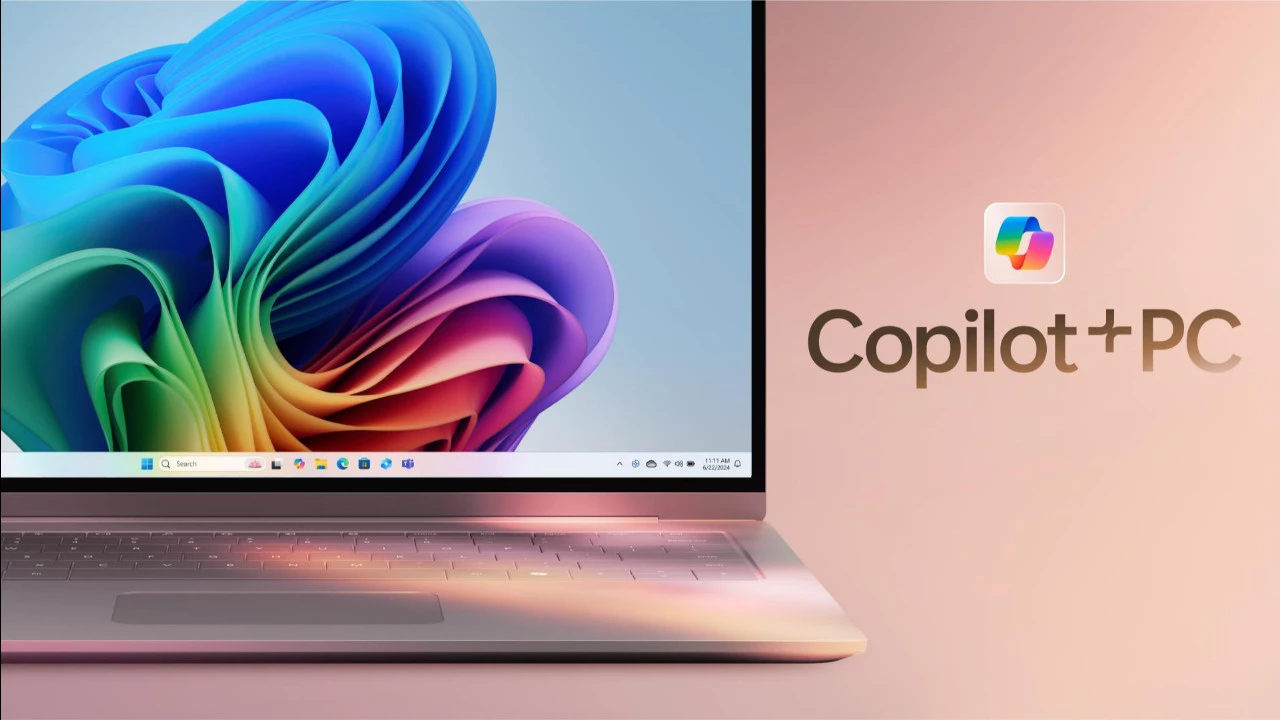
Microsoft is intensifying its efforts to optimize Windows 11 for budget devices equipped with only 8GB of RAM, aiming to deliver a more responsive and fluid user experience on entry-level hardware. This strategic move comes as the tech giant seeks to expand the reach of its latest operating system to a broader audience, including users in emerging markets and those with older or more affordable computers. However, this optimization appears to come with a significant trade-off: users on these memory-constrained devices may find themselves excluded from Microsoft’s ambitious Copilot+ AI features.
The Challenge of Running Modern Operating Systems on Limited Hardware
The relationship between operating system requirements and available hardware has always been a delicate balancing act for software developers. Windows 11 officially requires a minimum of 4GB of RAM, but real-world performance at this threshold has been criticized by users and reviewers alike. With 8GB becoming the de facto standard for budget laptops and desktops, Microsoft recognizes the need to ensure its flagship operating system runs smoothly on these configurations. The company has been implementing various under-the-hood improvements, including more efficient memory management, reduced background process overhead, and smarter resource allocation algorithms.
Historically, each new Windows release has demanded more from hardware, creating a cycle where users feel compelled to upgrade their computers. Windows Vista was notorious for its heavy resource requirements, while Windows 7 earned praise for running well on modest hardware. Windows 10 struck a reasonable balance, but Windows 11 arrived with stricter requirements, including TPM 2.0 and specific CPU generations, already limiting its adoption. By optimizing for 8GB systems, Microsoft appears to be acknowledging market realities and user feedback.
Copilot+ Features and the AI Hardware Divide
The optimization for lower-memory devices creates an interesting paradox in Microsoft’s product strategy. Copilot+, the company’s advanced AI assistant platform, represents a cornerstone of Windows 11’s future direction. These AI-powered features include enhanced image generation, real-time language translation, intelligent document summarization, and the controversial Recall feature that captures screenshots of user activity for later search. However, Copilot+ requires substantial computational resources, including dedicated Neural Processing Units (NPUs) capable of at least 40 TOPS (trillion operations per second) and significantly more RAM than budget devices typically offer.
This hardware requirement effectively creates a two-tier Windows 11 experience. Users with premium devices featuring the latest Qualcomm Snapdragon X processors, Intel Core Ultra chips, or AMD Ryzen AI processors will enjoy the full suite of AI capabilities. Meanwhile, those with 8GB devices will receive a streamlined, responsive operating system but miss out on features Microsoft is heavily marketing as the future of personal computing. Industry analysts suggest this divide could influence purchasing decisions, potentially driving some consumers toward higher-end hardware while others may question whether the AI features justify the premium.
Market Implications and User Response
The global PC market remains highly price-sensitive, with 8GB configurations representing a significant portion of sales, particularly in education, small business, and consumer segments. According to recent industry data, approximately 40% of new Windows PCs ship with 8GB of RAM, making Microsoft’s optimization efforts commercially significant. By ensuring Windows 11 performs well on these devices, Microsoft can maintain market share against competing platforms, including Chrome OS, which has gained ground in the education sector partly due to its efficient performance on limited hardware.
Consumer reaction to this tiered approach has been mixed. Some users appreciate Microsoft’s focus on fundamental performance improvements, arguing that a fast, reliable operating system matters more than AI features many consider unnecessary or privacy-invasive. Others express frustration at being excluded from headline features despite running the same Windows 11 version. Technology commentators have noted that this situation mirrors broader industry trends where AI capabilities increasingly dictate device classification and pricing, potentially widening the digital divide between those who can afford cutting-edge technology and those who cannot.
Expert Opinion: Microsoft’s dual strategy of optimizing Windows 11 for budget hardware while reserving AI features for premium devices reflects a pragmatic approach to market segmentation. This tiered experience model will likely become industry standard as AI processing demands continue to escalate, effectively creating distinct user classes within the same operating system ecosystem. The long-term success of this approach depends on whether core functionality improvements satisfy budget users or whether AI feature exclusion breeds resentment and drives migration to alternative platforms.