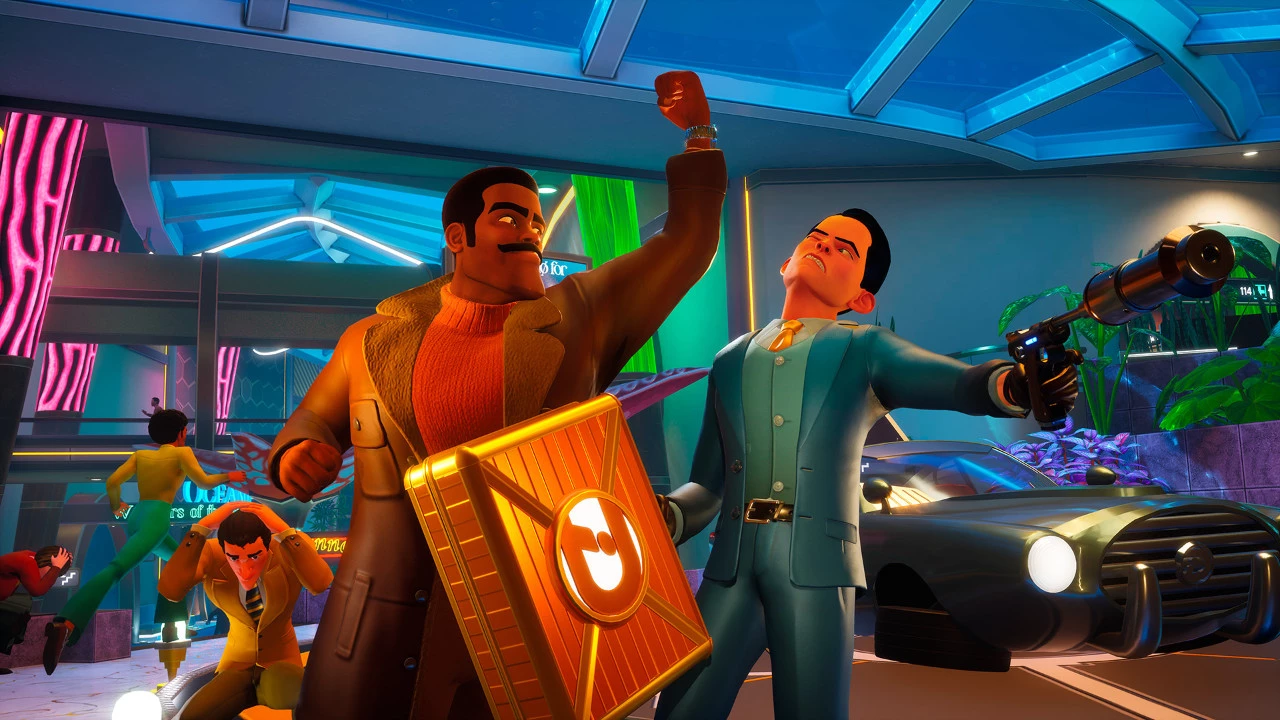
In a gaming industry increasingly littered with abandoned live-service titles and shuttered studios, Deceive Inc. has emerged as a rare beacon of hope. The stylish multiplayer spy game, which blends espionage mechanics with 1960s aesthetic charm, appeared destined for the digital graveyard following the closure of its original developer, Sweet Bandits Studios, in 2024. However, in a surprising turn of events that has captured the attention of the gaming community, a new development team has stepped forward to rescue the project from oblivion, breathing new life into what many had already written off as another casualty of the volatile games-as-a-service market.
Key Takeaways
- A new development team has acquired Deceive Inc. following Sweet Bandits Studios’ 2024 closure, preventing the spy game’s servers from shutting down permanently.
- The rescue includes plans for new content such as additional maps, spy characters, and gameplay features originally planned by Sweet Bandits.
- Deceive Inc. joins titles like Knockout City in demonstrating an emerging model where smaller teams or communities take over abandoned live-service games.
- Industry oversaturation has driven unprecedented closure rates for live-service titles, particularly affecting smaller studios unable to compete for player attention.
The story of Deceive Inc. represents both the promise and peril of modern multiplayer gaming. Originally launched to critical acclaim for its innovative gameplay that allowed players to disguise themselves as any character in the game world, the title garnered a dedicated fanbase drawn to its unique blend of competitive stealth and social deduction mechanics. Players took on the role of elite spies competing to extract valuable intelligence while maintaining elaborate covers, creating tense cat-and-mouse encounters that set it apart from conventional multiplayer shooters.
Sweet Bandits Closure Reflects Broader Industry Troubles
The closure of Sweet Bandits Studios in 2024 sent shockwaves through the indie gaming community. The Montreal-based developer had invested years in crafting Deceive Inc.’s distinctive vision, combining sleek mid-century modern aesthetics with innovative multiplayer mechanics. When the studio announced it could no longer sustain operations, the game’s servers faced imminent shutdown, and its community of dedicated players prepared to say goodbye. This scenario has become increasingly common in recent years, as live-service games from both major publishers and independent studios have faced unprecedented closure rates, leaving players with nothing to show for their invested time and money.
Industry analysts have pointed to the oversaturation of the live-service market as a primary factor in this wave of closures. With major publishers like Electronic Arts, Ubisoft, and Sony all pushing multiple concurrent service-based titles, smaller games often struggle to maintain the player populations necessary for financial viability. The cost of maintaining servers, developing new content, and providing customer support creates ongoing expenses that can quickly outpace revenue, particularly for games that fail to achieve massive scale.
New Team Steps In to Continue Development
The rescue of Deceive Inc. comes at a crucial moment for the gaming industry’s relationship with live-service preservation. While the specific details of the new development team remain partially undisclosed, their commitment to maintaining and expanding the game has reinvigorated the community. Early communications suggest plans not only to keep existing servers operational but to continue developing new content, including additional maps, spy characters, and gameplay features that were originally on Sweet Bandits’ roadmap before their closure.
This transition represents a growing trend in the industry where passionate developers and investors recognize the value in acquiring struggling but beloved titles rather than letting them disappear entirely. Similar rescues have occurred with games like Knockout City, which transitioned to a player-run model, and various MMORPGs that have found new life under different management. For Deceive Inc.’s community, the announcement has sparked renewed engagement, with players returning to populate servers that had seen dwindling numbers in the months of uncertainty.
The Growing Question of Live-Service Preservation
The salvation of Deceive Inc. raises important questions about the long-term sustainability of live-service gaming and the responsibilities developers have to their player communities. As more games require persistent online connections and regular content updates to remain viable, the industry faces mounting pressure to develop better frameworks for preserving these experiences when original developers can no longer support them. Some advocacy groups have called for legislation requiring companies to release server software or transition games to offline-capable versions before permanent shutdown.
For now, Deceive Inc. players can celebrate this unexpected reprieve. The game’s unique proposition—combining the social manipulation of titles like Among Us with the tactical action of traditional shooters, all wrapped in a glamorous retro-spy aesthetic—deserves the opportunity to find its audience. Whether the new development team can successfully revitalize the player base and establish Deceive Inc. as a sustainable long-term project remains to be seen, but the mere fact of its survival offers hope for other endangered titles and demonstrates that even in an industry often characterized by corporate indifference, community passion can sometimes make the difference between digital extinction and continued life.
What This Means for Live-Service Gaming
Deceive Inc.’s rescue highlights a practical tension in modern game development: innovative multiplayer experiences require ongoing investment that many studios simply cannot sustain. Sweet Bandits created something genuinely distinct—a spy game where any NPC could be a player in disguise—but distinctiveness alone does not guarantee financial survival in a market dominated by established franchises with massive marketing budgets.
The emerging rescue model presents both opportunity and risk. Studios acquiring abandoned games inherit existing codebases, communities, and brand recognition, reducing the cost of launching from scratch. But they also inherit technical debt, player expectations shaped by previous development, and the fundamental economic pressures that doomed the original team. Knockout City’s transition to player-run servers offers one template, though it required significant infrastructure changes.
For players, the broader implication is uncomfortable: any live-service investment carries inherent risk of total loss. Advocacy for server software releases or offline conversion requirements addresses this, but such regulations would fundamentally alter how publishers approach ongoing service games. The industry will likely resist mandatory preservation measures that reduce control over their intellectual property.
Common Questions
Is Deceive Inc. still playable after Sweet Bandits closed?
Yes. A new development team has taken over the project, keeping servers operational. The game remains accessible, and the new team has communicated plans to continue content development rather than simply maintaining existing servers in a static state.
What kind of game is Deceive Inc.?
Deceive Inc. is a multiplayer spy game with 1960s aesthetics where players compete to extract intelligence while disguised as NPCs or other characters. It combines stealth mechanics with social deduction elements, creating gameplay distinct from standard competitive shooters.
Will Deceive Inc. get new content under the new developers?
Early communications from the new team indicate plans for additional maps, spy characters, and gameplay features. These reportedly align with content that was on Sweet Bandits’ original development roadmap before the studio’s closure.
Expert Opinion: The rescue of Deceive Inc. signals a potential shift in how the industry handles failing live-service titles, with smaller teams and community-driven initiatives filling gaps left by larger publishers. This model could become increasingly viable as development tools become more accessible and player communities demonstrate willingness to support niche titles. However, the long-term success will depend on whether these rescue teams can balance community expectations with sustainable business models—a challenge that defeated the original developers.