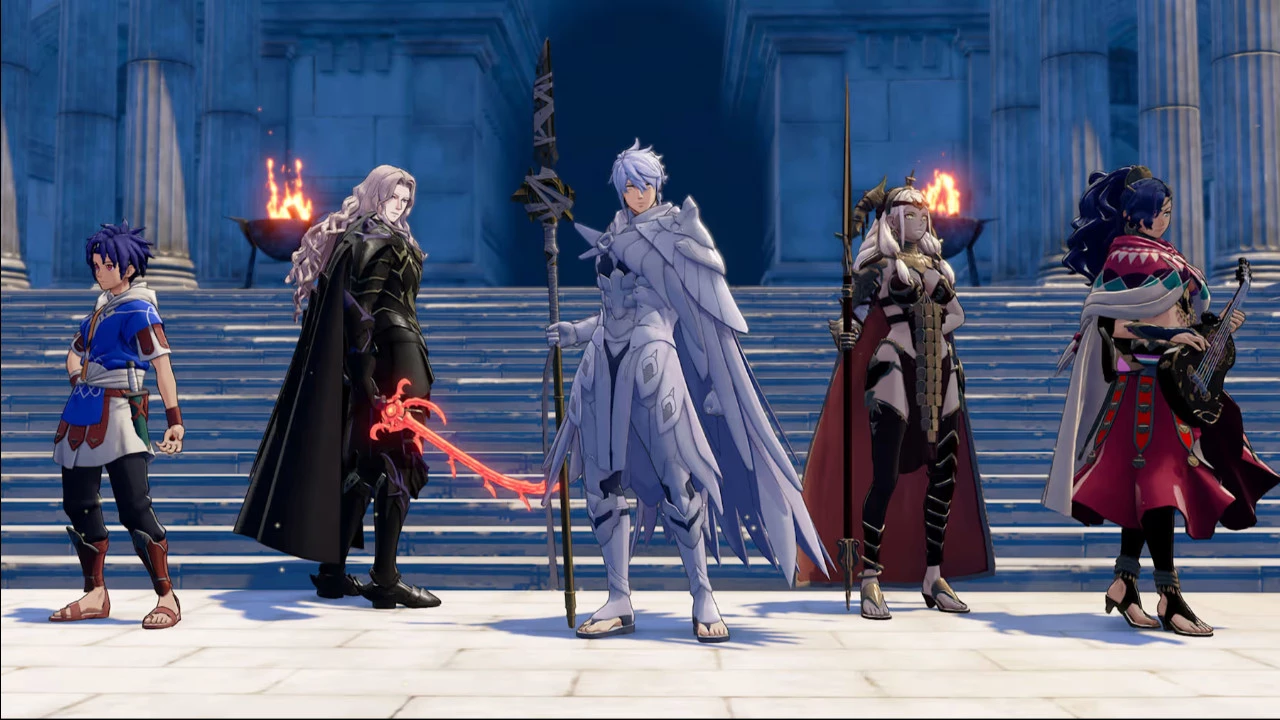
A recent preview of Nintendo’s highly anticipated tactical RPG Fire Emblem: Fortune’s Weave has sparked heated debate within the gaming community after a prominent gaming outlet devoted significant attention to the game’s approach to romance options. The Polygon article examining the upcoming title drew particular attention to the absence of same-sex romance possibilities, prompting discussions about representation in video games and the role of gaming journalism in evaluating titles based on social criteria rather than gameplay mechanics.
The Controversy Over Romance Options in Fire Emblem
The Fire Emblem series has been a cornerstone of Nintendo’s lineup since its debut on the Famicom in 1990. Over the decades, the franchise has evolved from a purely strategic experience into a hybrid that combines tactical combat with social simulation elements, including romance systems that allow players to form relationships between characters. These relationship mechanics became increasingly prominent starting with Fire Emblem: Awakening in 2012, which introduced marriage systems and child characters that became integral to gameplay.
The preview in question highlighted that Fire Emblem: Fortune’s Weave appears to feature exclusively heterosexual romance options, a design choice that the author framed as a notable limitation. This focus prompted significant pushback from readers who argued that a preview should primarily evaluate gameplay, graphics, story, and mechanical innovations rather than the sexual orientations of fictional characters. Critics of the article contend that modern gaming journalism has increasingly prioritized ideological considerations over traditional game review criteria.
Historical Context of LGBTQ Representation in the Series
The Fire Emblem series has had a complex relationship with LGBTQ representation. Fire Emblem Fates, released in 2015, was the first entry to include same-sex romance options, though the implementation was criticized by some as limited. Fire Emblem: Three Houses in 2019 expanded these options somewhat, though male same-sex choices remained more restricted than female ones. This history has made each new entry’s approach to romance a point of interest for various segments of the fanbase, with some players prioritizing inclusivity and others focusing purely on strategic gameplay elements.
The broader gaming industry has seen increasing discussions about representation in recent years, with major publishers taking varying approaches. Some developers have embraced diverse character options as a standard feature, while others, particularly Japanese studios, often maintain more traditional approaches that align with their domestic market expectations. Nintendo, as a Japanese company, has historically been conservative in this regard, though it has shown gradual evolution over time.
Gaming Journalism Standards Under Scrutiny
This incident has reignited ongoing debates about the current state of gaming journalism and what players actually want from reviews and previews. Many readers expressed frustration that coverage of an unreleased game focused heavily on social elements rather than providing detailed information about new gameplay features, improvements to the tactical combat system, or graphical enhancements. Industry observers note that this disconnect between journalist priorities and reader interests has contributed to declining trust in mainstream gaming publications, with many players instead turning to independent content creators and user reviews.
Fire Emblem: Fortune’s Weave is scheduled for release on the Nintendo Switch platform, and despite the controversy surrounding the preview coverage, anticipation for the title remains high among series fans. The game promises to continue the franchise’s tradition of deep tactical gameplay combined with compelling narrative elements and character relationships. As the release approaches, players will ultimately judge the game on its merits across all aspects of the experience, from battlefield strategy to storytelling quality.
Expert Opinion: The ongoing tension between ideological criticism and traditional game evaluation reflects a broader fragmentation in gaming media. As audiences increasingly seek out coverage that aligns with their priorities, we may see further specialization among gaming outlets, with some focusing on social analysis and others emphasizing pure gameplay assessment. This diversification could ultimately benefit consumers by providing more targeted content choices.