
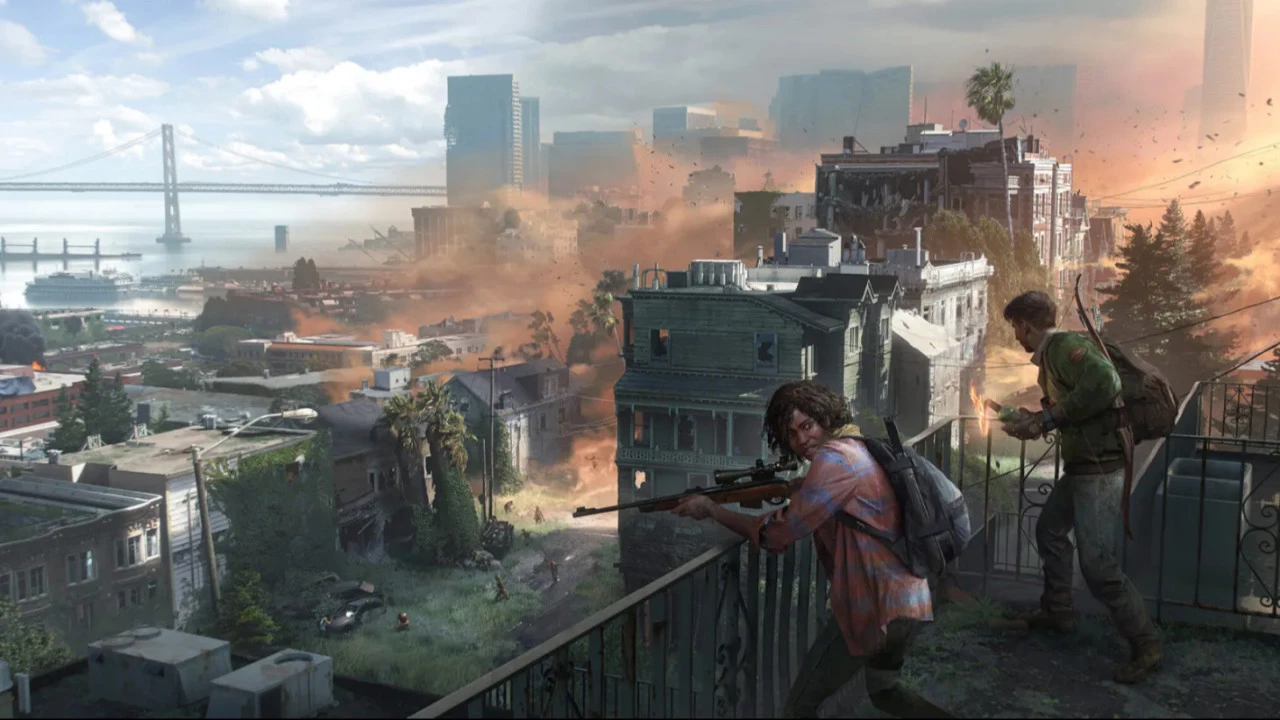
Renowned Bloomberg journalist Jason Schreier has unveiled shocking details about one of PlayStation’s most expensive failures in recent gaming history. In a new video dedicated to analyzing Sony’s troubled live-service gaming strategy, Schreier revealed that the cancellation of The Last of Us Online, a multiplayer game being developed by acclaimed studio Naughty Dog, resulted in losses amounting to hundreds of millions of dollars for the Japanese tech giant. This revelation sheds new light on the challenges facing major gaming publishers as they attempt to pivot toward ongoing revenue models in an increasingly competitive market.
The Last of Us Online was envisioned as an ambitious multiplayer companion to one of gaming’s most beloved single-player franchises. Naughty Dog, the studio behind critically acclaimed titles such as the Uncharted series and both The Last of Us games, had been working on the project for several years before Sony ultimately decided to pull the plug. The game was intended to capitalize on the massive success of the franchise while providing Sony with a steady stream of revenue through microtransactions and seasonal content updates, similar to successful live-service games like Fortnite and Destiny 2.
The Rise and Fall of Sony’s Live-Service Ambitions
Sony’s decision to invest heavily in live-service games came as part of a broader industry trend that saw traditional single-player focused publishers attempting to diversify their revenue streams. The company announced ambitious plans to release multiple live-service titles, hoping to replicate the success of games like Genshin Impact and Call of Duty Warzone. However, the path has proven far more treacherous than anticipated. The Last of Us Online joins a growing list of cancelled or underperforming projects that have cost Sony dearly in both financial resources and industry credibility.
The project’s cancellation was officially announced in December 2023, when Naughty Dog stated that the game did not meet the studio’s quality standards and that continuing development would require resources that could be better allocated elsewhere. At the time, many industry observers speculated about the scale of the investment lost, but Schreier’s reporting now confirms that the figure reaches into the hundreds of millions of dollars. This places the cancellation among the most expensive development failures in gaming history, comparable to other infamous cases such as the original version of Final Fantasy XIV or the troubled development of Duke Nukem Forever.
Industry Implications and the Future of PlayStation
The financial losses from The Last of Us Online are particularly significant given Sony’s current strategic position in the gaming market. The company has faced increased competition from Microsoft’s Xbox division, particularly following the latter’s acquisition of Activision Blizzard. Sony’s live-service strategy was intended to provide financial stability and recurring revenue that could help offset the massive costs associated with developing blockbuster single-player experiences. The failure of this initiative raises serious questions about the company’s future direction and investment priorities.
Gaming industry analysts have noted that live-service games represent an extremely high-risk, high-reward proposition. While successful titles can generate billions of dollars over their lifespans, the market has become increasingly saturated, making it difficult for new entrants to gain traction. Players have limited time and money to spend on ongoing gaming experiences, and established titles like Fortnite, League of Legends, and various mobile games already command significant portions of the market. Sony’s struggles highlight the difficulty of breaking into this space, even with strong intellectual properties and talented development teams backing the effort.
The revelation also raises questions about the working conditions and development practices at Naughty Dog, a studio that has previously faced scrutiny over reports of intense crunch periods and challenging workplace environments. The years spent on The Last of Us Online represent not just financial investment but also countless hours of creative work from developers whose efforts will never reach players. As the gaming industry continues to grapple with issues of sustainable development practices and workplace culture, high-profile cancellations like this one underscore the human cost of ambitious projects that fail to reach completion.
Expert Opinion: The cancellation of The Last of Us Online represents a critical inflection point for Sony’s gaming division, suggesting that the company may need to fundamentally reconsider its live-service strategy. Moving forward, we can expect PlayStation to adopt a more cautious approach to multiplayer investments, likely focusing resources on proven single-player franchises while exploring smaller-scale live-service experiments rather than betting hundreds of millions on unproven concepts.