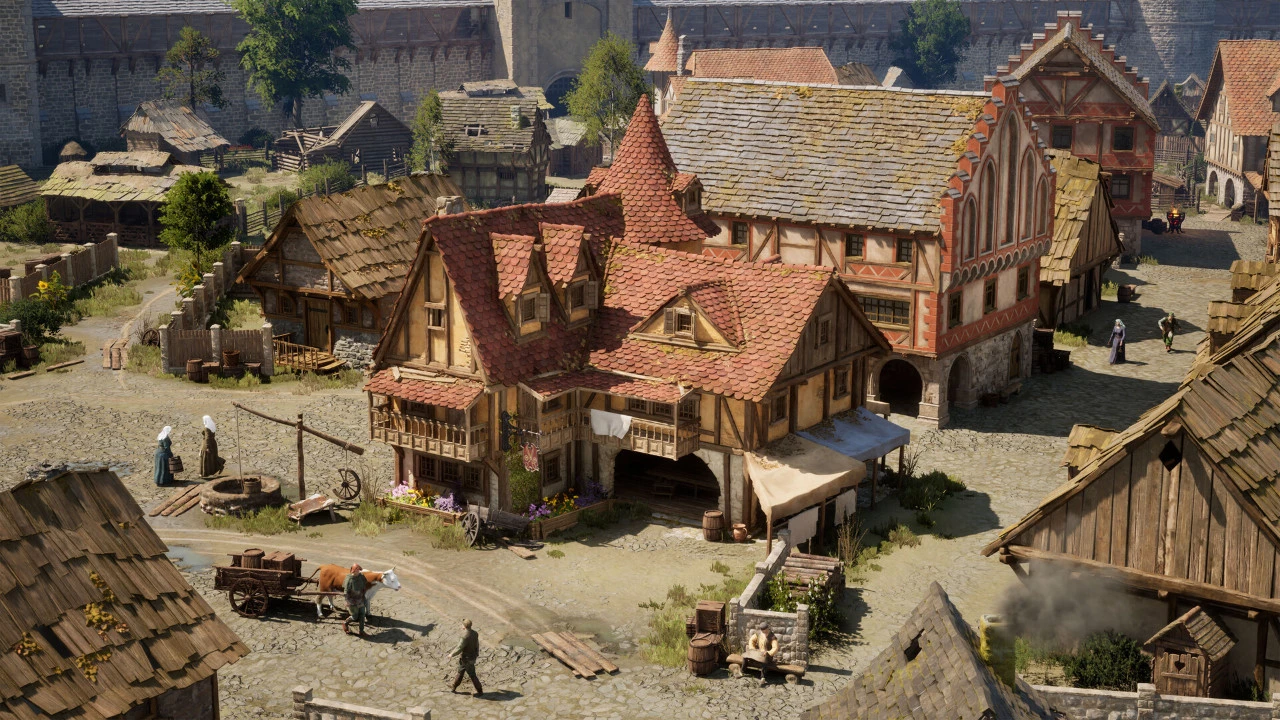
In a surprising announcement that caught many fans off guard, publisher THQ Nordic and developer Ashborne Games have revealed a significant change in direction for their upcoming medieval strategy title. The game, previously known simply as The Guild – Europa 1410, has been renamed to The Guild 1 Remake: Europa 1410, officially positioning it as a reimagining of the beloved 2002 original rather than an entirely new entry in the franchise. This strategic pivot represents a notable shift in how the project is being marketed and potentially developed, raising both excitement and questions among the dedicated community of Guild enthusiasts.
The Guild Franchise: A Brief History
The Guild series has a rich history dating back to 2002 when the original game, developed by 4HEAD Studios, first captivated players with its unique blend of economic simulation, dynasty building, and medieval intrigue. Set in late medieval Europe, the game allowed players to build family dynasties across generations, engaging in everything from honest trade to political machinations and even assassination. The sequel, The Guild 2, followed in 2006 and expanded upon the original formula, though it was plagued by technical issues at launch. Despite these problems, the franchise developed a cult following that has remained passionate for over two decades.
THQ Nordic acquired the rights to The Guild franchise as part of their aggressive strategy of purchasing dormant intellectual properties with dedicated fanbases. When they announced Europa 1410, fans were eager to see what a modern take on the formula would look like. However, the decision to rebrand it as a remake rather than a new entry suggests the development team may be taking a more cautious approach, focusing on recapturing what made the original special rather than reinventing the wheel.
What This Rebranding Means for the Game
The shift from a potential sequel or spiritual successor to an explicit remake carries significant implications for both development and player expectations. Remakes have become increasingly popular in the gaming industry, with titles like Resident Evil 2 Remake and Final Fantasy VII Remake demonstrating that modernizing classic games can be both critically acclaimed and commercially successful. By positioning Europa 1410 as a remake, THQ Nordic and Ashborne Games are signaling that players can expect familiar gameplay systems and settings enhanced with modern graphics, quality-of-life improvements, and contemporary game design sensibilities.
Industry analysts suggest this pivot may also reflect feedback received during the game’s development. Modern players who never experienced the original Guild games may find it easier to approach a clearly labeled remake rather than trying to understand where a new entry fits in the franchise timeline. Additionally, the remake designation allows developers to draw more directly from the source material while still having creative freedom to improve and expand upon the original experience.
Community Reaction and Future Prospects
The announcement has generated mixed reactions within the gaming community. Long-time fans who have been waiting for a new Guild experience are processing whether this change represents a scaling back of ambitions or simply a clearer communication of what the game always intended to be. Some have expressed enthusiasm about the prospect of experiencing the 1410 setting with modern production values, while others wonder if this means certain planned features or innovations have been cut from the project.
THQ Nordic has built a reputation for reviving classic franchises, with varying degrees of success across titles like Desperados III and Destroy All Humans! The company’s track record suggests they understand the value of nostalgia while recognizing the need to modernize gameplay for contemporary audiences. As The Guild 1 Remake: Europa 1410 continues development, fans will be watching closely to see how Ashborne Games balances faithfulness to the original with necessary modernizations. Release date information remains pending, but this rebranding suggests the developers are committed to ensuring the project meets expectations before launch.
Expert Opinion: The strategic repositioning of Europa 1410 as an explicit remake rather than a standalone title reflects a growing industry trend toward transparency in project scope and managing player expectations. This approach may prove wise, as remake projects often perform better when audiences have clear reference points. If Ashborne Games can successfully modernize the complex dynasty-building mechanics that made the original beloved while addressing its historical technical limitations, The Guild 1 Remake could introduce an entirely new generation to this underappreciated franchise.