In a remarkable display of collaboration between passionate fans and major game publishers, the dedicated community behind Dark Messiah of Might and Magic has secured official support from both Ubisoft and Valve to develop a Community Edition of the beloved 2006 action RPG. This unprecedented partnership marks a significant moment in gaming history, where corporate giants have chosen to embrace rather than oppose fan-driven restoration efforts, potentially setting a new precedent for how legacy games are preserved and enhanced for future generations.
The announcement has sent waves of excitement through the gaming community, particularly among veterans who remember the game’s groundbreaking combat mechanics and immersive fantasy world. Dark Messiah of Might and Magic, developed by Arkane Studios—the same team that would later create critically acclaimed titles like Dishonored and Prey—was released in October 2006 and quickly gained a cult following despite mixed critical reception at launch.
A Groundbreaking Game Ahead of Its Time
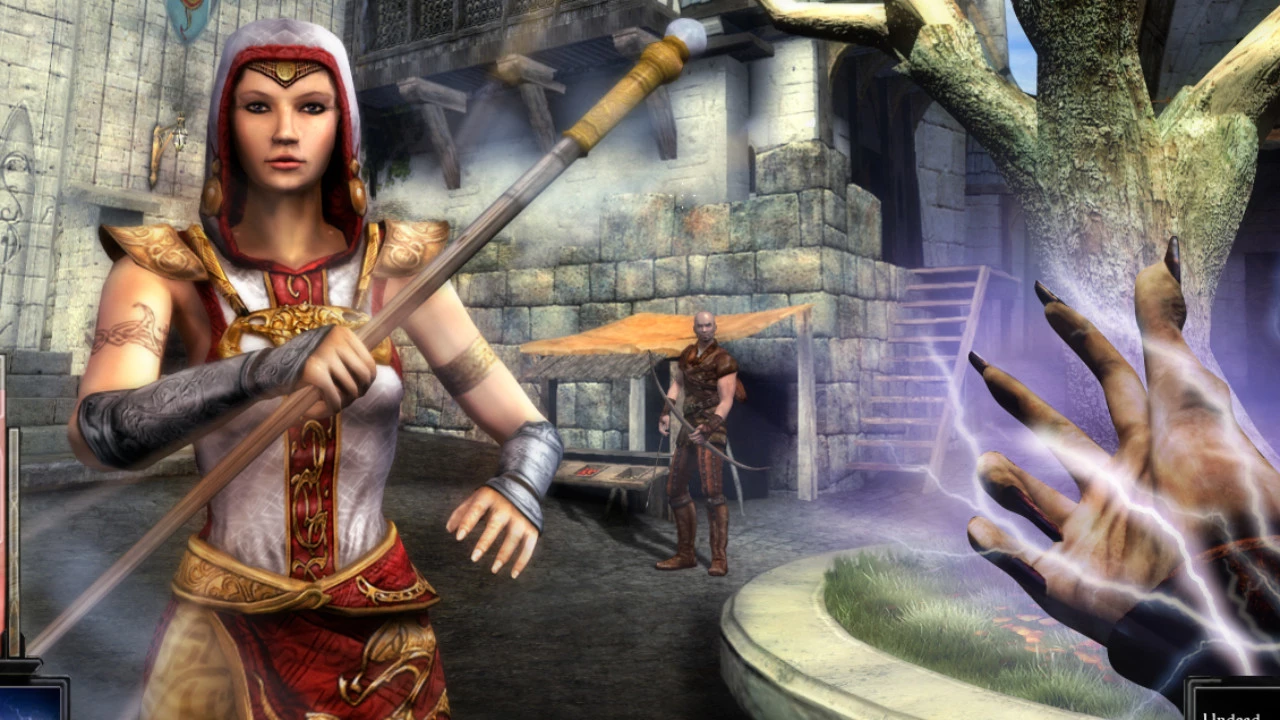
Dark Messiah of Might and Magic was revolutionary for its era, introducing physics-based combat that allowed players to interact with the environment in creative and often brutal ways. Players could kick enemies off cliffs, impale foes on spikes, set oil puddles ablaze, or cause heavy objects to crush unsuspecting guards. Built on Valve’s Source Engine, the same technology powering Half-Life 2, the game offered a level of environmental interactivity that was virtually unmatched at the time and remains impressive even by modern standards.
The game placed players in the role of Sareth, a young warrior caught in a complex web of demonic intrigue and political machinations within the Might and Magic universe. While the narrative received criticism for its relatively straightforward good-versus-evil premise, the gameplay mechanics earned widespread praise from players who appreciated the freedom to approach combat encounters in countless different ways. The multiplayer component, featuring class-based team battles, also developed a small but dedicated following that persisted for years after release.
The Community’s Long-Standing Dedication
For nearly two decades, a committed community has kept Dark Messiah alive through various mods, unofficial patches, and dedicated servers. However, the aging Source Engine and lack of official support have created numerous technical challenges, including compatibility issues with modern operating systems, resolution limitations, and multiplayer connectivity problems. The Community Edition project aims to address all these issues while preserving the core experience that made the original game special.
The partnership with Ubisoft, which holds the rights to the Might and Magic franchise, and Valve, which owns the Source Engine, removes legal obstacles that have historically hampered similar fan projects. This official blessing means developers can access original source code, assets, and documentation that would otherwise be unavailable, dramatically improving the quality and authenticity of the restoration effort. The collaboration also ensures that the Community Edition can be distributed through legitimate channels without fear of cease-and-desist orders.
A New Era for Game Preservation
This partnership represents a growing trend in the gaming industry toward embracing community-driven preservation efforts. Companies like Nightdive Studios have built successful businesses around restoring classic games, and major publishers are increasingly recognizing the value of their back catalogs. Ubisoft’s decision to support the Dark Messiah community follows similar moves by other publishers who have provided official support for fan remasters of aging titles.
The Community Edition is expected to include modernized graphics options, improved multiplayer infrastructure, bug fixes accumulated from years of community knowledge, and potentially new content created by dedicated modders. While specific release dates have not been announced, the official support suggests a more structured development process than typical fan projects, potentially resulting in a higher-quality final product that introduces Dark Messiah’s innovative gameplay to a new generation of players who missed it the first time around.
Expert Opinion: This collaboration signals a maturing relationship between game publishers and preservation communities. As the gaming industry approaches its 50th anniversary as a mainstream medium, the question of how to preserve interactive entertainment becomes increasingly urgent. Ubisoft and Valve’s support for the Dark Messiah Community Edition could establish a template for future partnerships, where corporate rights holders provide legal protection and technical resources while passionate communities contribute the labor of love necessary to restore aging classics. Expect more publishers to follow this model as they recognize that preserved games maintain franchise value and goodwill with dedicated fan bases.