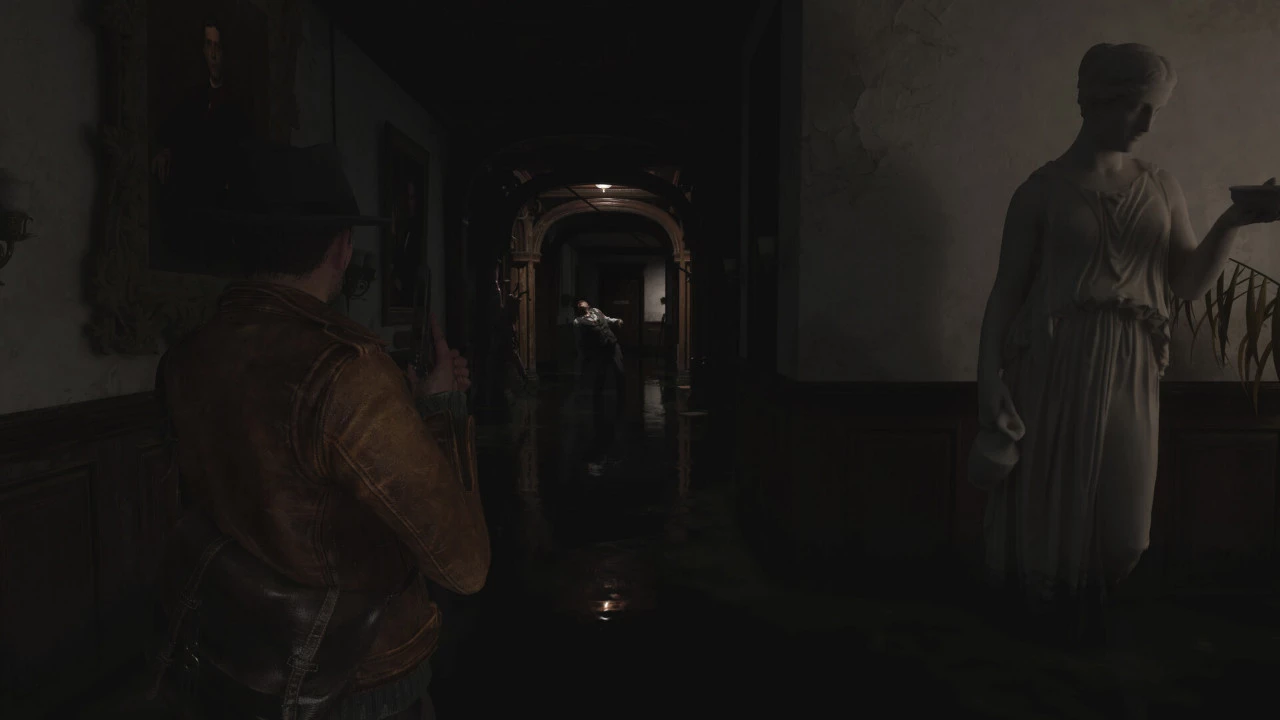
The highly anticipated horror sequel The Sinking City 2, developed by Ukrainian studio Frogwares, has launched to underwhelming player numbers on Steam. Released on August 18, 2026, the Lovecraftian detective horror game has failed to generate significant interest among the gaming community, with peak concurrent player counts struggling to break the 2,000 mark. This tepid reception marks a significant departure from the modest success of its predecessor and raises questions about the franchise’s future viability in an increasingly competitive horror game market.
The game’s poor performance has sparked considerable discussion within gaming communities, with many players pointing to the absence of Russian language localization as a contributing factor. Frogwares, headquartered in Kyiv, Ukraine, made the deliberate decision to exclude Russian language support from their titles following Russia’s full-scale invasion of Ukraine in February 2022. This decision, while politically motivated and supported by many in the international community, has effectively cut off access to a substantial portion of the Eastern European gaming market that traditionally represented a significant player base for narrative-driven adventure games.
A Studio Shaped by Conflict
Frogwares has been developing games since 2000, initially gaining recognition for their Sherlock Holmes adventure game series before pivoting to the Lovecraftian horror genre with the original Sinking City in 2019. The studio’s trajectory was dramatically altered when Russian forces invaded Ukraine, forcing many employees to relocate or work under extraordinarily difficult circumstances. The company has been vocal about its stance against Russian aggression, implementing policies that include refusing to sell games in Russia and removing Russian language options from their products. While this position has earned them praise from many quarters, it has also created a business challenge that is now manifesting in their sales figures.
The original Sinking City, despite its troubled development and subsequent legal battles with publisher Nacon over distribution rights, managed to cultivate a dedicated fanbase attracted to its unique blend of open-world exploration, detective mechanics, and cosmic horror atmosphere. The game drew inspiration from H.P. Lovecraft’s writings, particularly his stories set in fictional New England coastal towns plagued by supernatural forces. Industry analysts had expected the sequel to build upon this foundation, but the launch numbers suggest that various factors have combined to dampen consumer enthusiasm.
Market Dynamics and Competition
The horror gaming landscape has evolved considerably since the first Sinking City’s release. Players now have access to numerous high-quality horror experiences, from indie darlings to AAA productions. Games like Amnesia: The Bunker, Alan Wake 2, and the Resident Evil remakes have raised expectations for what horror games can deliver in terms of both narrative depth and gameplay innovation. The Sinking City 2 enters this crowded market at a disadvantage, competing not only for players’ attention but also for their increasingly limited gaming budgets during economically uncertain times.
Steam reviews for the title have been mixed, with players praising the atmospheric design and improved investigation mechanics while criticizing technical issues and pacing problems. The game’s premium price point has also been cited as a barrier to entry, particularly given the lukewarm critical reception. Without the word-of-mouth momentum that drove sales for surprise horror hits in recent years, The Sinking City 2 faces an uphill battle to find its audience. The absence of Russian-speaking players, who historically represented a passionate community for detective and horror games, compounds these challenges significantly.
Industry Implications and Future Outlook
The struggles of The Sinking City 2 highlight the complex intersection of geopolitics and the gaming industry. While Frogwares’ decision to exclude Russian language support is entirely understandable given the ongoing conflict and the personal stakes for Ukrainian developers, it nonetheless illustrates how political realities can impact commercial outcomes. Other Ukrainian studios have made similar choices, creating a precedent that may influence how the broader industry approaches regional localization decisions in an era of international tensions.
For Frogwares, the path forward remains uncertain. The studio has demonstrated resilience throughout legal disputes, wartime conditions, and market challenges, but consistently low player engagement could threaten their ability to continue producing ambitious projects. The gaming community will be watching closely to see whether post-launch updates, discounts, or additional content can revive interest in The Sinking City 2, or whether this sequel will sink beneath the waves of an oversaturated market.
Expert Opinion: The Sinking City 2’s launch performance reflects a perfect storm of market saturation, geopolitical complications, and timing challenges rather than any single decisive factor. Ukrainian developers face an impossible choice between principled stands and commercial viability, and Frogwares’ situation may become a case study in how regional conflicts reshape global entertainment markets. Looking ahead, the studio’s survival may depend on finding new audience segments in Western markets to compensate for lost Eastern European players.