The gaming industry rarely sees such dedication to literary foundations in game development, but Konami’s approach to the upcoming Silent Hill f has raised eyebrows across the creative community. During the CEDEC 2026 conference, Silent Hill series producer Motoi Okamoto revealed an unconventional method his team employs to craft compelling narratives — requiring screenwriters to consume between 100 and 200 books annually as part of their professional development.
This revelation offers a fascinating glimpse into how one of gaming’s most psychologically complex horror franchises maintains its distinctive storytelling quality. The Silent Hill series has long been celebrated for its deep psychological themes, symbolic imagery, and narratives that draw heavily from literature, film, and psychological theory. Okamoto’s insistence on extensive reading appears to be a deliberate strategy to ensure that the writing team possesses the breadth of knowledge necessary to craft stories that resonate on multiple levels with players.
The Literary Foundation of Horror Gaming
The Silent Hill franchise has always stood apart from other horror games due to its emphasis on psychological terror over jump scares. Since the original game’s release in 1999, the series has drawn inspiration from diverse literary sources, including the works of authors like Franz Kafka, Fyodor Dostoevsky, and contemporary horror writers. The games frequently explore themes of guilt, trauma, repression, and the dark corners of the human psyche — subjects that require writers with sophisticated understanding of human nature and storytelling traditions.
Okamoto’s reading requirement reflects a philosophy that great game narratives cannot emerge in a creative vacuum. By immersing screenwriters in diverse literary traditions, Konami ensures that Silent Hill f will benefit from centuries of storytelling wisdom. This approach stands in stark contrast to many modern game development studios, where narrative teams may focus primarily on studying other video games rather than broader artistic traditions. Industry analysts suggest this literary immersion could explain why Silent Hill games often feel more like interactive psychological novels than typical survival horror experiences.
Silent Hill f and the Return of a Legendary Franchise
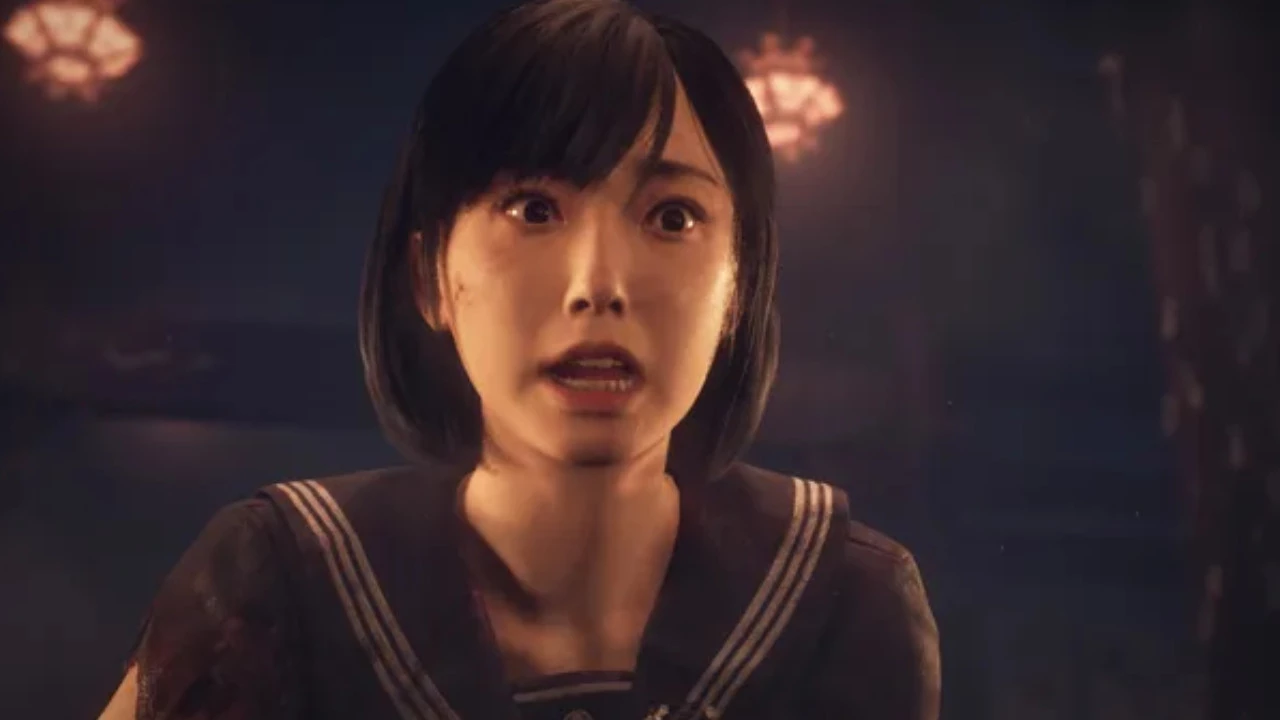
Silent Hill f represents one of the most anticipated entries in the franchise’s history. Set in 1960s Japan, the game marks a significant departure from the American small-town settings that defined earlier installments. This shift to a Japanese historical context presents unique narrative challenges, requiring writers to understand not only horror conventions but also the cultural, social, and historical nuances of post-war Japan. The reading requirement takes on additional significance in this context, as screenwriters would need to familiarize themselves with Japanese literature, history, and folklore to authentically portray this era.
The game’s announcement in 2022 generated tremendous excitement among fans who had waited years for a proper continuation of the series. Konami’s decision to invest heavily in narrative development suggests the company understands that Silent Hill’s appeal has always been rooted in its storytelling rather than gameplay mechanics alone. By setting such high literary standards for the development team, Okamoto signals that Silent Hill f aims to match or exceed the narrative complexity of classics like Silent Hill 2, widely considered one of the greatest stories ever told in video game form.
Industry Implications and Creative Standards
Okamoto’s revelation at CEDEC 2026 has sparked discussions across the gaming industry about creative development practices. While 100-200 books per year represents an ambitious reading schedule — roughly two to four books per week — many writers and narrative designers have expressed admiration for this commitment to craft. Some industry veterans argue that such practices should become more widespread, particularly as video games increasingly compete with film and television for narrative prestige.
The approach also reflects broader trends in game development, where narrative quality has become a key differentiator in a crowded market. Games like The Last of Us, Red Dead Redemption 2, and Disco Elysium have demonstrated that players hunger for sophisticated storytelling. Konami’s investment in literary education for its creative team suggests the company views strong narrative as essential to Silent Hill’s commercial and artistic success. As the gaming medium continues to mature, practices like Okamoto’s reading requirements may become standard rather than exceptional in studios aspiring to create truly memorable experiences.
Expert Opinion: This literary-first approach to game development signals a potential paradigm shift in how major studios cultivate narrative talent. As interactive entertainment increasingly competes with traditional storytelling media, we may see more companies implementing similar educational requirements. Silent Hill f’s success or failure could determine whether this intensive literary approach becomes an industry benchmark or remains a unique Konami experiment.