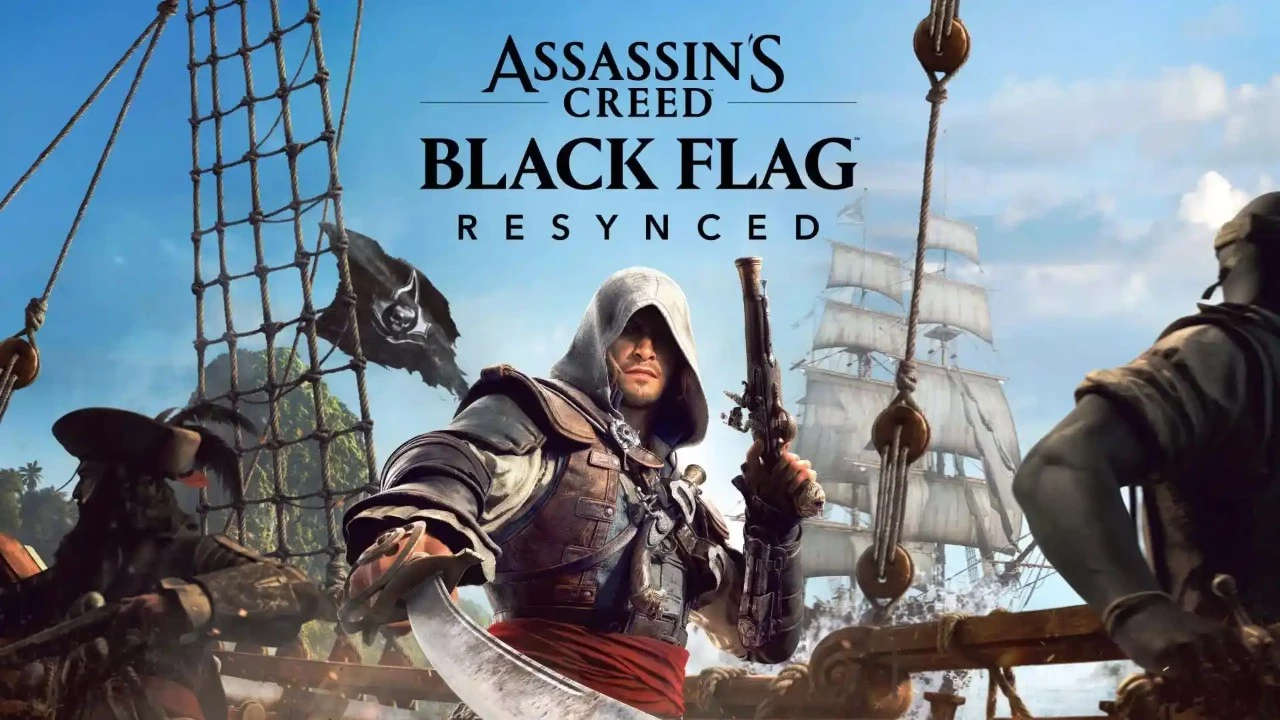
Ubisoft has announced that Assassin’s Creed Black Flag Resynced will receive a significant update on July 16, addressing one of the most persistent complaints from the PC gaming community. The upcoming patch will finally remove the controversial 30 frames per second limitation during cutscenes, a technical restriction that has frustrated players since the remastered version’s launch. This change represents a direct response to overwhelming community feedback and demonstrates the developer’s commitment to improving the player experience on modern hardware.
The 30 FPS Cutscene Controversy Explained
The frame rate lock during cinematics has been a contentious issue in many modern game releases, particularly remasters and remakes of older titles. When Assassin’s Creed Black Flag Resynced launched, PC players quickly noticed that while gameplay could run at high frame rates matching their powerful hardware capabilities, cutscenes were inexplicably capped at 30 FPS. This created a jarring visual inconsistency, as players would experience smooth 60, 120, or even 144 FPS during exploration and combat, only to see the frame rate suddenly drop during story moments. The technical limitation often stems from original cutscenes being rendered or motion-captured at 30 FPS, making it challenging for developers to seamlessly upgrade them without significant rework.
The original Assassin’s Creed IV: Black Flag was released in 2013 for the PlayStation 3, Xbox 360, and PC, later receiving enhanced versions for PlayStation 4 and Xbox One. The game is widely considered one of the best entries in the long-running franchise, praised for its innovative naval combat system, expansive Caribbean open world, and the charismatic protagonist Edward Kenway. The remastered version, titled “Resynced,” was developed to bring this beloved pirate adventure to modern platforms with enhanced graphics, improved textures, and better performance capabilities.
Community Feedback Drives Development Priorities
The decision to prioritize the frame rate fix demonstrates an increasingly common trend in the gaming industry where developers actively monitor and respond to player feedback post-launch. Social media platforms, gaming forums, and review sections had been filled with complaints about the cutscene limitation since the game’s release. Many players argued that in an era of high refresh rate monitors becoming standard, such restrictions feel outdated and detract from the overall experience. The PC gaming community in particular has come to expect full customization options and the ability to take advantage of their hardware investments.
Technical analysts have pointed out that unlocking cutscene frame rates requires more than simply removing a cap. Developers must ensure that animations, audio synchronization, and physics calculations all scale properly with variable frame rates. In some cases, cutscenes are pre-rendered video files that need to be converted to real-time rendering, or new interpolation techniques must be implemented. The fact that Ubisoft is addressing this issue relatively quickly suggests the team had already been working on solutions and understands the importance of this feature to their audience.
What the July 16 Update Means for Players
The upcoming patch represents more than just a technical fix—it signals Ubisoft’s ongoing support for Black Flag Resynced and their willingness to invest resources in post-launch improvements. Players can expect a more cohesive visual experience once the update goes live, with smooth transitions between gameplay and story sequences. This improvement will be particularly noticeable for users with high refresh rate displays who have been most affected by the frame rate disparity. While specific details about other potential fixes or additions in the July 16 update have not been fully disclosed, the community remains optimistic that additional quality-of-life improvements may be included alongside the headline frame rate change.
Expert Opinion: This update represents a crucial step in modernizing classic game remasters for contemporary hardware expectations. As high refresh rate gaming becomes the norm rather than the exception, developers who fail to address frame rate limitations risk alienating their most dedicated PC audience. The speed of Ubisoft’s response here may set a positive precedent for how publishers handle similar technical complaints in future remaster projects.