The pirate theme remains one of the most captivating yet underutilized settings in the gaming industry. While not as prevalent as fantasy or military shooters, games featuring daring buccaneers sailing the Caribbean seas have carved out a devoted following among players who dream of maritime adventure, treasure hunting, and naval combat. From blockbuster action titles to intricate strategy simulations, the pirate genre offers something for virtually every type of gamer seeking to live out their swashbuckling fantasies.
The appeal of pirate-themed games lies in their unique combination of freedom, adventure, and moral ambiguity. Unlike traditional hero narratives, pirate games often allow players to operate in morally gray areas, making choices that blur the line between heroism and villainy. This freedom of choice, combined with the romantic allure of the Golden Age of Piracy (roughly 1650-1730), creates an irresistible playground for game developers and players alike. The historical period saw legendary figures like Blackbeard, Anne Bonny, and Captain Kidd terrorizing merchant vessels across the Atlantic, providing rich source material for interactive entertainment.
Action-Adventure Titles Leading the Fleet
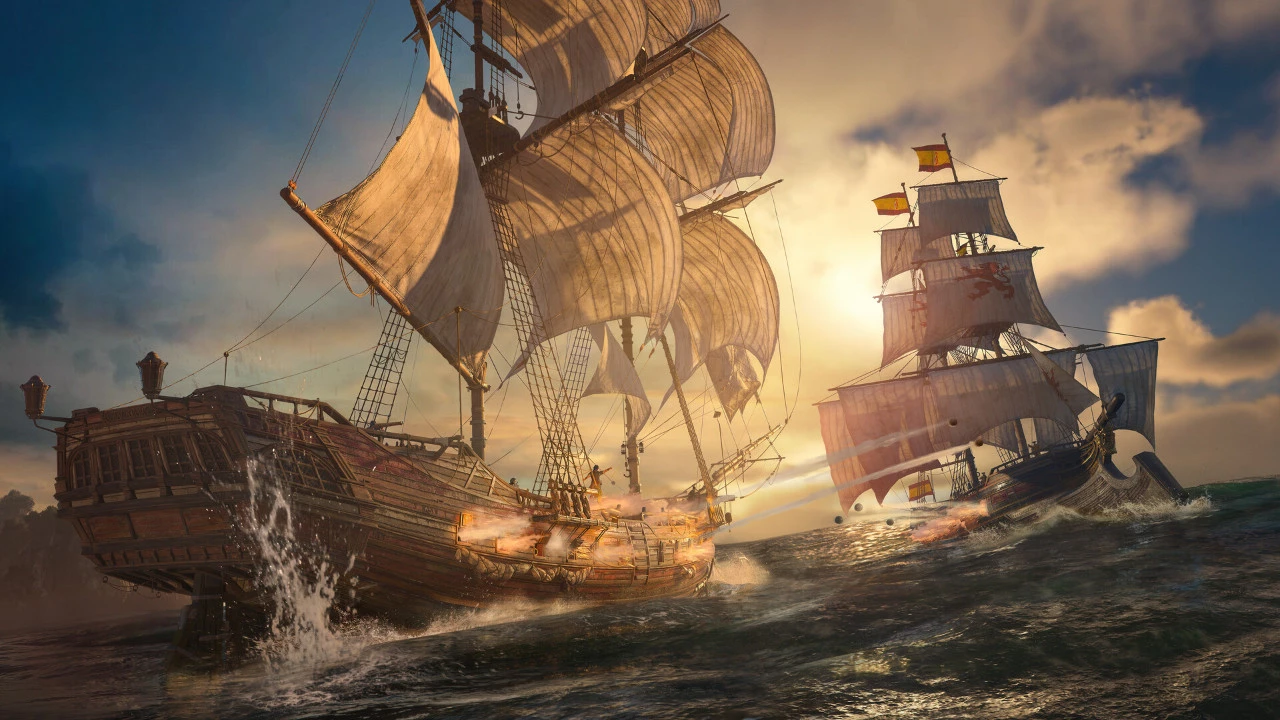
When discussing pirate games, the conversation inevitably begins with Ubisoft’s Assassin’s Creed IV: Black Flag, released in 2013. This title revolutionized how players experience naval combat and open-world exploration on the high seas. Players assume the role of Edward Kenway, a privateer-turned-pirate who becomes entangled in the ancient conflict between Assassins and Templars. What set Black Flag apart was its seamless integration of ship-to-ship combat, boarding actions, and on-foot exploration across a beautifully rendered Caribbean archipelago. The game sold over 15 million copies and is frequently cited as the best entry in the Assassin’s Creed franchise.
Following in similar waters, Ubisoft released Skull and Bones in 2024 after years of development delays. This multiplayer-focused title strips away the on-foot gameplay to concentrate entirely on naval warfare and piracy. Players build their reputation from humble beginnings to become infamous pirate kingpins, engaging in both PvE and PvP encounters across the Indian Ocean. The Sea of Thieves, developed by Rare and released in 2018, takes a more lighthearted approach to piracy. This shared-world adventure game emphasizes cooperative play, with crews of players manning vessels together, hunting treasure, and engaging in comedic battles with rival pirates and supernatural threats.
Strategy Games for the Tactical Buccaneer
For players who prefer cerebral challenges over reflexive action, several excellent strategy titles explore pirate themes. Port Royale series, with its fourth installment released in 2020, combines city-building, trading simulation, and naval combat in the 17th-century Caribbean. Players manage trade routes, establish colonies, and build fleets while navigating the complex political relationships between European colonial powers. The Tropico series, while not exclusively pirate-focused, allows players to embrace piracy as a legitimate economic strategy in their island dictatorship.
Sid Meier’s Pirates!, originally released in 1987 and remade in 2004, remains a gold standard for the genre. This open-ended adventure game allows players to pursue multiple paths to success — from honest trading to full-scale piracy, from romance to revenge. The game’s influence on subsequent pirate titles cannot be overstated, establishing many conventions that persist in the genre today. More recently, indie titles like Abandon Ship and Tempest have offered fresh takes on pirate strategy, incorporating roguelike elements and procedural generation to create infinitely replayable experiences.
The Future of Pirate Gaming
The pirate genre shows no signs of sailing into the sunset. Upcoming titles continue to explore new possibilities within the setting, incorporating advanced physics systems, more realistic sailing mechanics, and deeper narrative experiences. The success of Sea of Thieves’ live-service model has demonstrated that pirate games can sustain long-term player engagement through regular content updates and community events. Virtual reality technology presents particularly exciting possibilities for the genre, promising truly immersive experiences of standing on a ship’s deck during a storm or sword-fighting on a sandy beach.
Whether players seek the adrenaline rush of naval combat, the satisfaction of building a trading empire, or simply the joy of exploring sun-drenched islands in search of buried treasure, pirate games continue to deliver memorable experiences. The genre’s enduring appeal speaks to something fundamental in human nature — the desire for freedom, adventure, and the romantic notion of living outside society’s rules on the vast, untamed ocean.
Expert Opinion: The pirate gaming genre is experiencing a renaissance driven by improved naval combat mechanics and the growing popularity of live-service multiplayer experiences. Industry analysts predict that the next breakthrough will come from combining procedurally generated narratives with the emergent gameplay that made Sea of Thieves successful. As gaming technology continues to advance, particularly in VR and physics simulation, we can expect pirate games to deliver increasingly immersive experiences that capture the true spirit of maritime adventure.