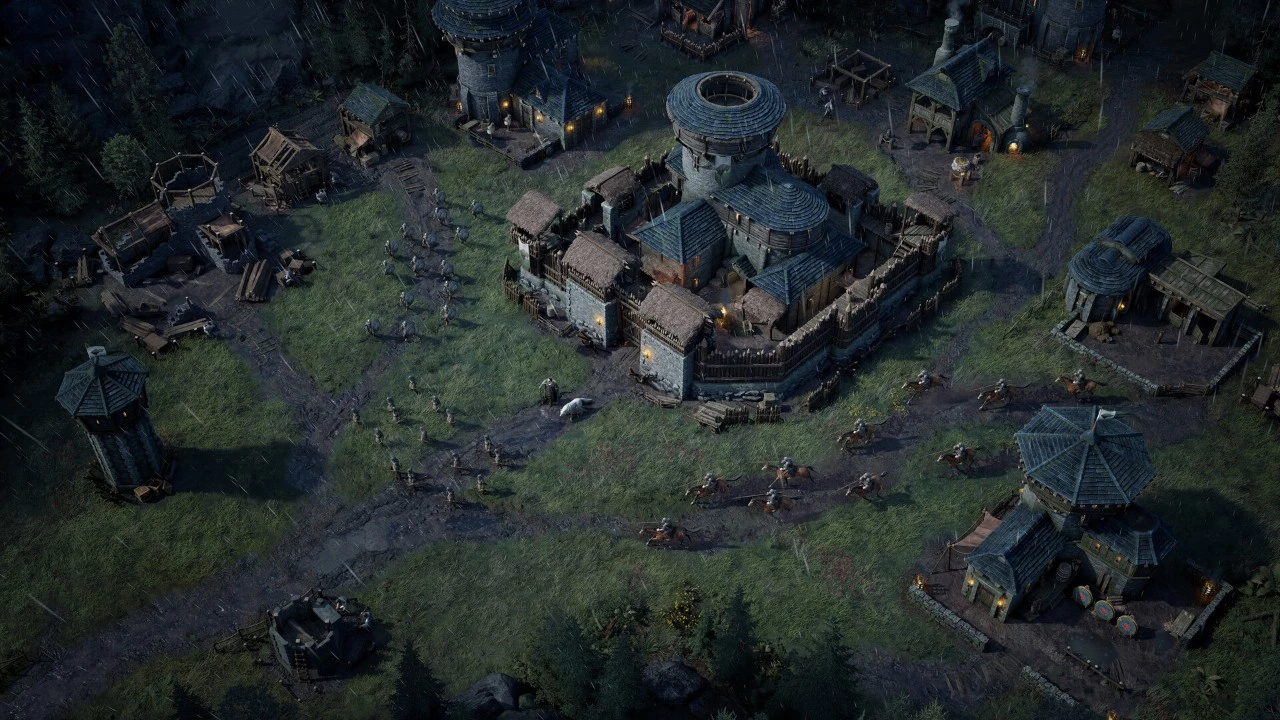
The highly anticipated real-time strategy game Game of Thrones: War for Westeros has been pushed back significantly, with developer PlaySide Studios announcing that the title will now launch in early 2027 instead of its originally planned late 2025 release window. The announcement comes approximately one year after the game was first revealed to eager fans of the beloved fantasy franchise, leaving players to wait considerably longer before they can command the great houses of Westeros in strategic combat.
PlaySide Studios cited the familiar refrain of quality assurance as the primary reason for the delay, emphasizing their commitment to delivering a polished experience worthy of George R.R. Martin’s expansive universe. The decision echoes a broader industry trend where developers increasingly choose to extend development cycles rather than release unfinished products, a lesson many studios have learned from high-profile launch failures in recent years.
A Legacy of Delays: Fitting for the Franchise
The irony of a Game of Thrones project experiencing significant delays has not been lost on fans of the franchise. George R.R. Martin himself has become somewhat notorious for the extended gaps between his book releases, with readers still awaiting “The Winds of Winter” more than a decade after the publication of “A Dance with Dragons” in 2011. In this sense, PlaySide’s delay feels almost thematically appropriate for a property that has taught its fanbase patience—whether they wanted to learn it or not.
Game of Thrones: War for Westeros represents an ambitious attempt to bring the political intrigue and military conflicts of Martin’s world into the real-time strategy genre. The game promises to let players take control of iconic houses such as Stark, Lannister, Targaryen, and Baratheon, each with unique units, abilities, and strategic advantages that reflect their characteristics from the source material. RTS games set in licensed universes face the particular challenge of balancing faithful adaptation with engaging gameplay mechanics, a balance that requires careful development time to achieve.
The State of Licensed Strategy Games
The strategy game market has seen renewed interest in recent years, with titles like Age of Empires IV, Company of Heroes 3, and various Warhammer adaptations demonstrating that the genre remains commercially viable despite being overshadowed by battle royales and live-service games. Licensed properties have proven particularly successful in the strategy space, with Games Workshop’s Warhammer franchise spawning numerous critically acclaimed titles across both real-time and turn-based subgenres.
PlaySide Studios, based in Melbourne, Australia, has grown significantly since its founding in 2012 and has worked on various licensed properties across different platforms. The studio’s portfolio includes mobile games and console titles, though Game of Thrones: War for Westeros represents their most ambitious project to date. Taking on such a high-profile intellectual property comes with immense pressure to meet fan expectations, which may explain the studio’s willingness to delay rather than rush the product to market.
The Game of Thrones franchise itself has had a complicated relationship with video game adaptations. While there have been numerous games bearing the name over the years, few have achieved the critical success that matches the television series’ cultural impact. Telltale’s episodic adventure game received positive reviews, but many other entries have been met with mixed or negative reception. A well-executed strategy game could potentially break this pattern and establish a new standard for interactive experiences set in Westeros.
Looking Ahead to 2027
With the delay pushing the release into early 2027, Game of Thrones: War for Westeros will enter a potentially crowded market. The extended timeline gives PlaySide additional room to refine gameplay systems, improve visual fidelity, and ensure that the narrative elements properly capture the tone of Martin’s work. For fans of both the franchise and the strategy genre, the wait may prove worthwhile if the final product delivers on its ambitious promises. The coming months will likely see more information released about specific gameplay features, playable factions, and campaign details as the new launch window approaches.
Expert Opinion: The delay to 2027 suggests PlaySide is taking the scope of this project seriously, which is encouraging given the mixed history of Game of Thrones video games. If the studio can successfully blend the political depth of the source material with compelling RTS mechanics, they could establish a franchise that extends well beyond a single release. However, the two-year delay also indicates potential development challenges that warrant cautious optimism from fans.