
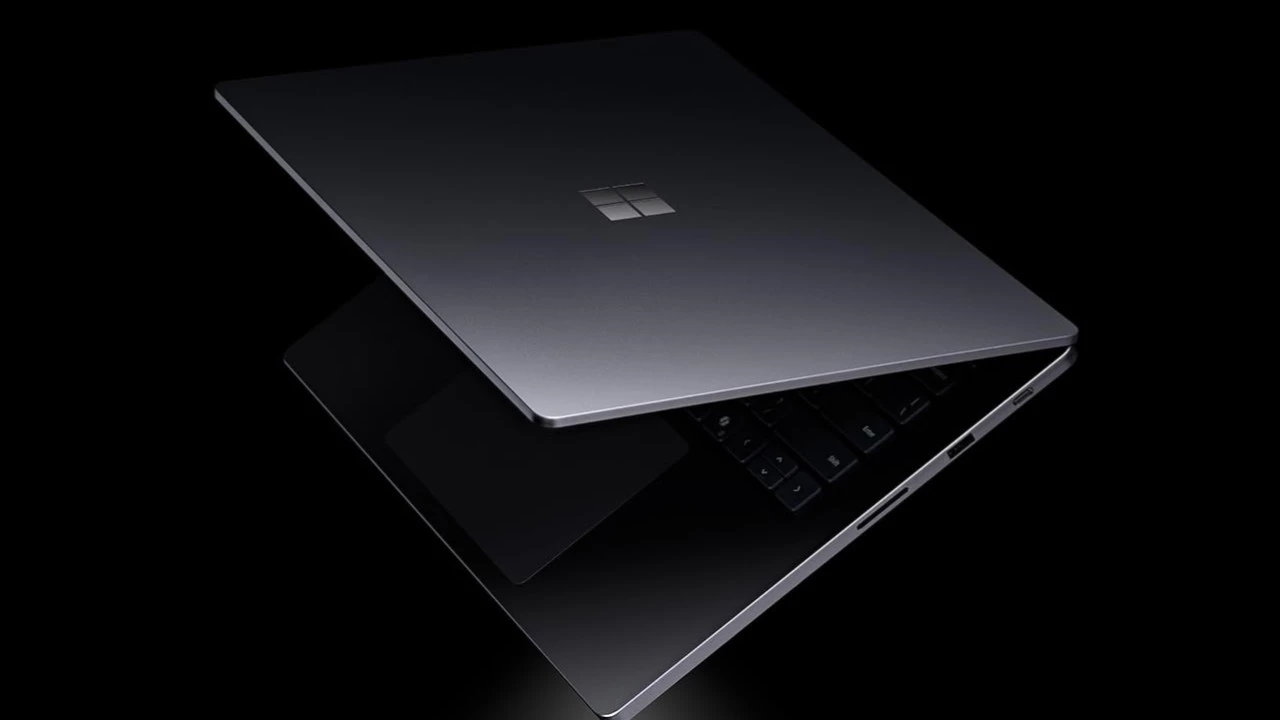
In what appears to be one of the most unusual tech leaks in recent memory, an unreleased Microsoft Surface Laptop Ultra has surfaced online after allegedly being discovered abandoned on a roadside. A user on the TechPowerUp forum, posting under the username Fouquin, has published what appears to be an authentic hands-on review of the mysterious device, complete with benchmark results that offer the first real-world glimpse at Microsoft’s upcoming flagship laptop powered by NVIDIA’s highly anticipated RTX Spark graphics technology.
The circumstances surrounding the discovery remain shrouded in mystery, but such incidents are not unprecedented in the tech industry. The famous iPhone 4 leak in 2010, when a prototype was left at a bar in Redwood City, California, demonstrated how even the most secretive companies can fall victim to human error. This latest find has sent ripples through the technology community, as it provides concrete performance data for hardware that Microsoft has not yet officially announced or detailed to the public.
NVIDIA RTX Spark: A New Chapter in Mobile Graphics
The Surface Laptop Ultra reportedly features NVIDIA’s RTX Spark architecture, which represents a significant departure from the company’s traditional mobile GPU lineup. RTX Spark is believed to be NVIDIA’s answer to the growing demand for AI-accelerated computing in thin and light form factors, combining ray tracing capabilities with enhanced tensor cores specifically optimized for on-device artificial intelligence tasks. This technology positions Microsoft’s new Surface as a direct competitor to Apple’s M-series MacBooks, which have dominated the premium ultrabook market with their impressive performance-per-watt metrics.
According to the benchmark results shared by Fouquin, the RTX Spark GPU demonstrates remarkable efficiency while maintaining competitive performance levels against traditional discrete graphics solutions. The leaked tests reportedly include popular benchmarks such as 3DMark Time Spy and various productivity-focused assessments that highlight the chip’s capabilities in both creative workloads and light gaming scenarios. Industry analysts have long speculated about NVIDIA’s plans to create a more power-efficient mobile architecture, and these early results suggest the company may have achieved a breakthrough in balancing performance with thermal constraints.
Microsoft’s Surface Strategy and Premium Market Positioning
The Surface Laptop Ultra represents Microsoft’s continued push into the premium computing segment, where the company has been competing against established players like Apple, Dell’s XPS line, and Lenovo’s ThinkPad X1 series. Since the original Surface Pro launched in 2012, Microsoft has steadily expanded its hardware portfolio, positioning Surface devices as reference designs that showcase what Windows can achieve when software and hardware are developed in harmony. The Ultra designation suggests this will be Microsoft’s most powerful Surface laptop to date, potentially replacing or complementing the existing Surface Laptop Studio in the company’s product hierarchy.
The decision to partner with NVIDIA for this flagship device marks an interesting strategic choice, especially given Microsoft’s recent emphasis on Qualcomm’s Snapdragon X Elite processors for its Copilot+ PC initiative. This suggests Microsoft may be pursuing a dual-track strategy, offering ARM-based devices for maximum battery life and efficiency while maintaining x86-compatible options with dedicated graphics for power users who require maximum performance and broader software compatibility. Such an approach would give consumers more choices while ensuring Microsoft remains competitive across multiple market segments.
Industry Implications and What Comes Next
The premature leak of the Surface Laptop Ultra could significantly impact Microsoft’s marketing plans, as companies typically invest considerable resources in carefully orchestrated product reveals designed to maximize media coverage and consumer excitement. However, history has shown that such leaks can sometimes generate even more buzz than planned announcements, as the element of mystery and forbidden knowledge captures public imagination in ways that polished press releases cannot replicate.
Technology experts are now closely watching for Microsoft’s official response to the leak, as well as any additional technical details that may emerge from Fouquin’s continued testing of the device. The benchmark results, if accurate, could reshape expectations for what mobile workstations can achieve in 2025 and beyond. As the lines between laptops, tablets, and AI-powered computing devices continue to blur, products like the Surface Laptop Ultra may define the next generation of personal computing for professionals and enthusiasts alike.
Expert Opinion: This leak suggests Microsoft is preparing a significant hardware offensive in the premium laptop market, potentially timing a release alongside major Windows updates later this year. The combination of NVIDIA’s RTX Spark technology with Microsoft’s Surface design expertise could create a compelling alternative to Apple’s MacBook Pro, particularly for users who require Windows compatibility and dedicated GPU performance. If the benchmarks hold up under scrutiny, we may be witnessing the emergence of a new standard for AI-ready ultraportable workstations.