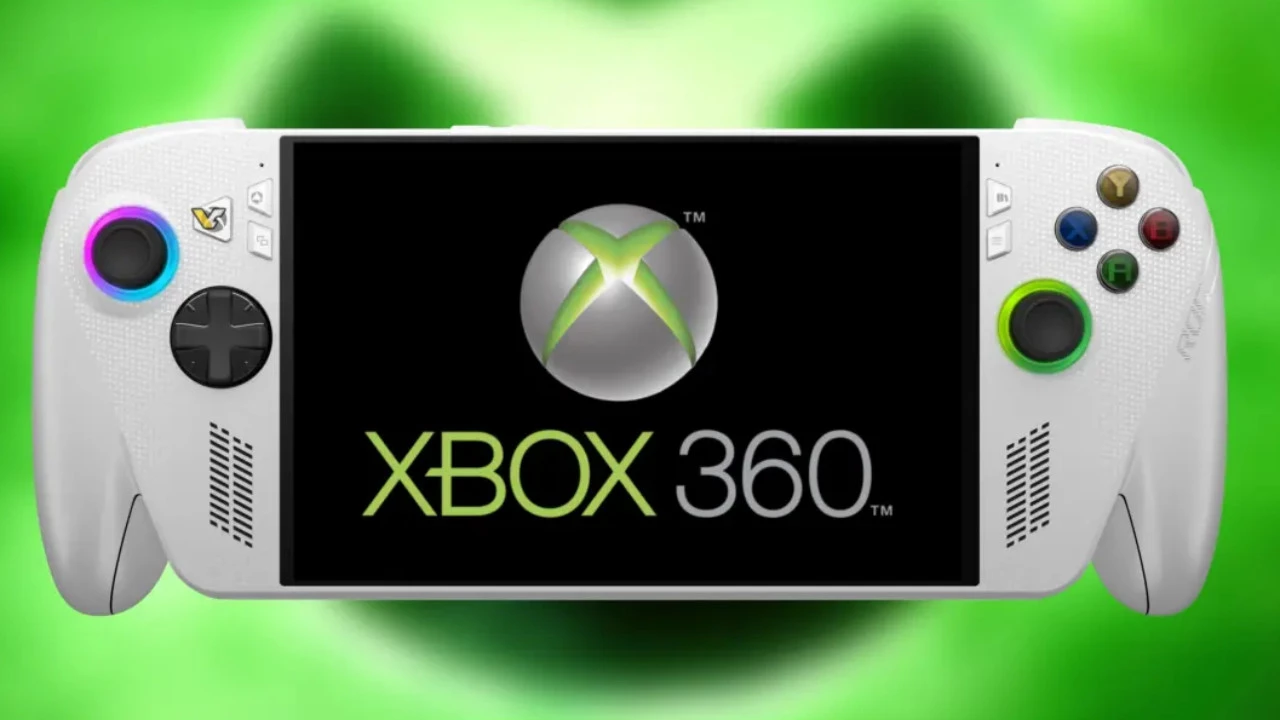
Microsoft is preparing to make a significant leap forward in its backward compatibility strategy, announcing plans to allow game publishers to port their entire Xbox 360 catalogs to modern platforms. This groundbreaking initiative will enable classic titles from the legendary console to be playable on Windows PCs, portable gaming devices, and the company’s upcoming next-generation console, currently known as Project Helix. The move represents one of the most ambitious backward compatibility programs in gaming history and signals Microsoft’s commitment to preserving gaming heritage while expanding its ecosystem.
The announcement comes as part of Microsoft’s broader strategy to unify its gaming platforms under a single cohesive ecosystem. By empowering publishers to bring their legacy titles to new hardware, the company is effectively extending the lifespan of hundreds of beloved games that might otherwise fade into obscurity. This approach differs significantly from traditional backward compatibility efforts, which typically rely on the platform holder to select and optimize individual titles for newer systems.
The Legacy of Xbox 360 and Its Vast Game Library
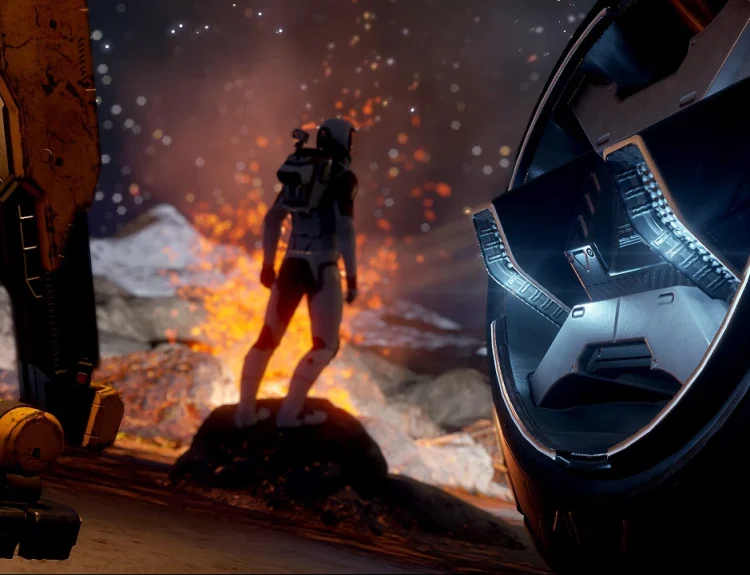
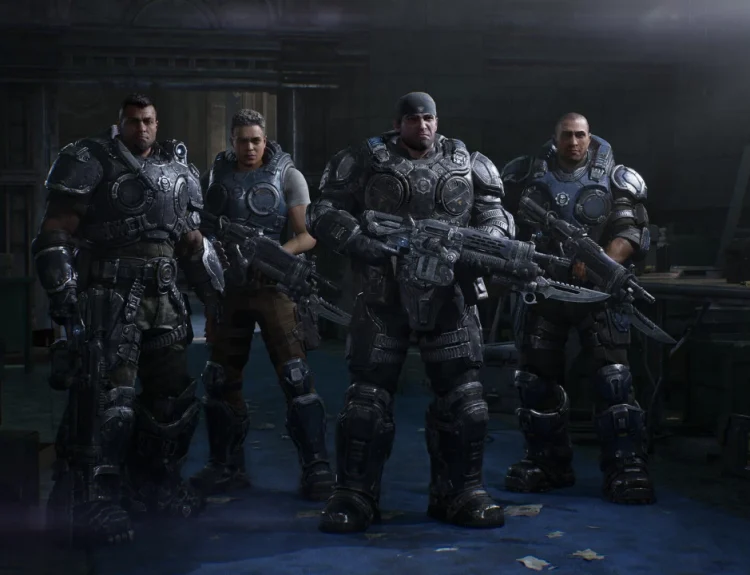
The Xbox 360, which launched in November 2005, remains one of the most successful gaming consoles ever produced. Over its decade-long production run, the platform accumulated a library of more than 2,000 titles, including critically acclaimed franchises and exclusive games that defined an entire generation of gaming. Titles like Halo 3, Gears of War, Mass Effect, and countless third-party gems helped establish Xbox as a major force in the console gaming market. Many of these games have never received modern remasters or re-releases, leaving fans with limited options for experiencing these classics on current hardware.
Microsoft’s existing backward compatibility program, launched in 2015 for Xbox One, already supports several hundred Xbox 360 titles through software emulation. However, this new initiative appears to go much further by giving publishers direct control over the porting process. This could potentially open the floodgates for thousands of titles that were previously unavailable on modern platforms, including games with complex licensing agreements that prevented their inclusion in the original backward compatibility program.
Project Helix and the Future of Xbox Hardware
The mention of Project Helix in connection with this announcement provides intriguing hints about Microsoft’s next-generation hardware plans. While official details remain scarce, industry analysts believe Project Helix represents Xbox’s response to the evolving gaming landscape, where traditional consoles compete with cloud gaming services, powerful gaming PCs, and an emerging market of portable gaming devices. By ensuring that Xbox 360 titles will be compatible with this new platform from launch, Microsoft is positioning backward compatibility as a core feature rather than an afterthought.
The inclusion of portable gaming computers in this initiative is particularly noteworthy. The handheld gaming market has experienced a renaissance in recent years, driven by devices like the Steam Deck and various Windows-based portable systems. Microsoft’s decision to explicitly support these platforms suggests the company recognizes the growing demand for gaming on the go and wants to ensure Xbox content remains accessible regardless of form factor.
Industry Implications and Publisher Response
Gaming industry experts view this move as potentially transformative for both preservationists and commercial interests. Publishers who control valuable back catalogs now have a streamlined path to monetize classic titles on new platforms without significant development investment. For gamers, this means greater access to gaming history and the possibility of experiencing beloved titles with modern enhancements such as improved resolution, faster loading times, and achievement support.
The timing of this announcement also coincides with increasing concerns about video game preservation. As digital storefronts shut down and older hardware becomes obsolete, countless games risk becoming permanently inaccessible. Microsoft’s approach offers a market-driven solution that could help preserve thousands of titles while creating new revenue opportunities for rights holders. Whether other platform makers will follow suit with similar initiatives remains to be seen, but this move certainly sets a new standard for how the industry approaches legacy content.
Expert Opinion: This initiative positions Microsoft as the clear leader in backward compatibility and game preservation among major platform holders. By decentralizing the porting process to publishers, Microsoft could see its playable library expand dramatically with minimal internal resource investment. This strategy may prove crucial in the next console generation, where accumulated content libraries could become a decisive factor in consumer purchasing decisions.