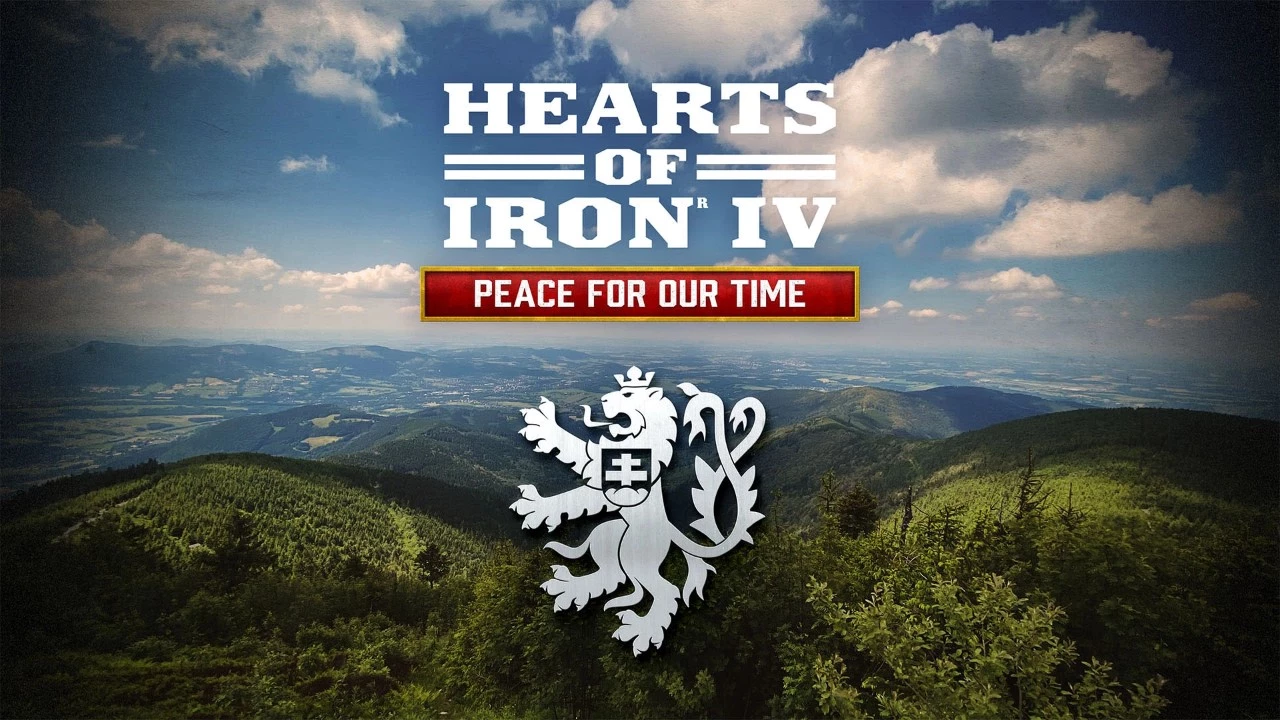
Paradox Interactive has announced a new series of development diaries for their acclaimed World War II grand strategy game Hearts of Iron 4, marking a significant shift in their approach to content creation. Rather than presenting finished features and mechanics, the development team has chosen to open with questions directed at the community, signaling an unprecedented level of player involvement in shaping the game’s future direction. This collaborative approach suggests that upcoming focus trees and gameplay mechanics will be directly influenced by fan feedback before they even reach the design phase.
The announcement has generated considerable excitement among the game’s dedicated player base, many of whom have been following Hearts of Iron 4 since its initial release in June 2016. Over the years, Paradox has cultivated a reputation for extensive post-launch support, releasing numerous expansions that have added focus trees for various nations, new gameplay systems, and historical scenarios. Notable DLC releases have included No Step Back, which overhauled the Soviet Union’s mechanics, and By Blood Alone, which expanded content for Italy and Ethiopia.
A New Era of Community-Driven Development
This latest initiative represents a departure from Paradox’s traditional development cycle, where content is typically revealed in near-complete form through development diaries. By soliciting player input at the earliest stages of design, the studio appears to be acknowledging the valuable insights that come from their experienced community. Hearts of Iron 4 players are known for their deep understanding of both the game’s mechanics and the historical period it simulates, often providing detailed feedback on everything from military accuracy to political representation.
The focus tree system has been central to Hearts of Iron 4’s appeal since launch, allowing players to guide nations through alternative historical paths or recreate actual wartime decisions. These branching decision trees determine everything from political alignment and industrial development to military doctrine and diplomatic relations. Countries without dedicated focus trees rely on generic options, which has led to sustained community demand for expanded content covering more nations.
Building on Eight Years of Grand Strategy Excellence
Hearts of Iron 4 has evolved dramatically since its debut, transforming from a solid but limited strategy title into one of the most comprehensive World War II simulations available. The game allows players to take control of any nation that existed during the 1936-1948 period, managing everything from factory production and research priorities to front-line combat and naval operations. Its complexity and historical depth have attracted millions of players worldwide, with the game regularly appearing among the most-played titles on Steam.
Paradox Interactive has built its business model around this kind of long-term game development, with titles like Crusader Kings, Europa Universalis, and Stellaris receiving years of expansions and updates. This approach has proven highly successful commercially while creating deeply engaged communities that remain active for decades. The decision to involve players more directly in Hearts of Iron 4’s development process may signal a broader shift in how Paradox approaches its grand strategy portfolio.
What This Means for Future Content
While specific details about upcoming features remain scarce, the development team’s willingness to engage with community preferences suggests significant content may be on the horizon. Players have long requested expanded focus trees for nations like Turkey, Spain, and various South American countries, as well as mechanical improvements to areas like peace conferences and supply systems. Whether any of these requested features will emerge from the new collaborative development process remains to be seen, but the initiative has already succeeded in reinvigorating community discussion about the game’s future.
The timing of this announcement is notable, coming as Hearts of Iron 4 approaches its ninth year of active development. Rather than winding down support for the aging title, Paradox appears committed to continued expansion, suggesting confidence in both the game’s technical foundation and its commercial viability. For dedicated fans, this collaborative approach represents an exciting opportunity to directly influence a game they’ve invested thousands of hours mastering.
Expert Opinion: Paradox’s decision to involve the community at the pre-design stage reflects a maturing understanding of games-as-service development, where player investment directly correlates with commercial success. This approach could yield more targeted, satisfying content while reducing development risk, potentially establishing a template for other long-running strategy franchises to follow.